Tag: scent-ritual

  • Grounding Through Scent: How to Resettle a Racing Mind

    Grounding Through Scent: How to Resettle a Racing Mind

    Grounding Through Scent: How to Resettle a Racing Mind

    To resettle a racing mind, you must shift your awareness from abstract thoughts back into the physical body through somatic grounding. This process is most effectively achieved by utilizing high-density botanical scents like roots and resins, which interact directly with the limbic system to bypass cognitive resistance. At Odorami, we view this as a “system sync,” where the molecular signatures of the earth anchor your personal frequency back into its natural, steady alignment.

    Why Your Mind Needs the Body to Slow Down

    A racing mind is a physiological signal that your consciousness has migrated entirely into the “upper” regions of your experience, leaving the body feeling untethered. Unlike all other senses, smell is the only one with a direct neural pathway to the limbic system (the emotional brain—the part that processes feeling before logic can)—bypassing the thalamus entirely. This is why an olfactory trigger can produce an emotional response and somatic (felt in the body, not just understood in the mind) grounding before conscious thought occurs.

    The Pillars of the Soil: Oils for Somatic Grounding

    To achieve calibration—bringing your nervous system back into its natural alignment, like tuning an instrument—we look to the plants that live closest to the earth:

    Vetiver (The Root of Stillness): A complex root system that serves as the ultimate anchor for a mind that feels “thin.”

    Patchouli (The Earth’s Embrace): A deep, mineral-rich scent that provides a sense of physical weight and presence.

    Spikenard (The Ancient Ground): A high-altitude root used for millennia to settle the spirit. Historically, spikenard was so valued that it was mentioned in various ancient texts for its profound sedative properties.

    Comparative Grounding Mechanisms

    BotanicalPrimary Spiritual FunctionSomatic EffectBest Application

    VetiverEmotional StillnessReduces cortisol/racing pulseSoles of the feet

    PatchouliPhysical PresenceSensory “weighting”Lower abdomen

    SpikenardAncient Ancestral LinkDeep nervous system settlingAnkles or base of spine

    The “Earth Anchor” Practice

    Drop & Touch: Place a drop of a grounding oil on the soles of your feet.

    The Press: Stand firmly. Imagine roots growing from your heels into the soil.

    The Breath of the Earth: Inhale the scent, feeling its “weight” settle in your lower abdomen.

    FAQ: Common Questions on Grounding

    Which essential oil is best for an overactive nervous system?

    Vetiver is widely considered the most effective oil for an overactive nervous system due to its heavy molecular structure and grounding frequency. It acts as a “system sync” that pulls energy away from a racing mind and back into the physical body.

    How long does it take for scent to affect the brain?

    A 2014 study found that inhaled essential oils can produce measurable changes in the body, such as reduced cortisol levels, within 10 minutes of exposure. Because scent bypasses the thinking mind, the emotional shift often begins in even less time.

    ———————————————————-

    Written by Sasathorn Nasongkhla, Founder of Odorami Scent Alchemy. Sasathorn has spent 30 years studying the intersection of botanical intelligence, nervous system regulation, and soul archetypes, guiding seekers toward their own scent frequency.


  • Why “Calming” Essential Oils Don’t Always Work (And What Your Body is Actually Asking For)

    Why “Calming” Essential Oils Don’t Always Work (And What Your Body is Actually Asking For)

    Why “Calming” Essential Oils Don’t Always Work (And What Your Body is Actually Asking For)

    We have been told the same story for decades: If you are stressed, use Lavender. If you can’t sleep, use Chamomile. But have you ever reached for a “calming” oil during a period of intense overwhelm, only to find that the scent felt intrusive, irritating, or even made your heart race faster?

    If this has happened to you, I want you to take a deep breath: You aren’t doing it wrong, and there is nothing wrong with your nose. In fact, your nervous system is doing exactly what it was designed to do. It is communicating its current “geography.”

    The Myth of the “One-Size-Fits-All” Calm

    In the world of generic wellness, essential oils are often treated like light switches—flick one on for sleep, flick another for energy. But at Odorami, we look at scent through the lens of Scent Alchemy and Sensory Architecture.

    Your nervous system is not a machine; it is a landscape.

    When you are in a state of “High Functional Freeze”—that feeling of being exhausted but your mind is still racing at 100 mph—a sweet, floral oil like Lavender can feel like a heavy blanket being thrown over a person who is trying to run. Your body perceives the “forced calm” as a threat to its survival. It doesn’t want to be suppressed; it wants to feel safe.

    Sensory Safety: The Somatic Handshake

    I often refer to the first moment of smelling an oil as a “Somatic Handshake.” It is a meeting of frequencies.

    If your internal landscape is currently a storm, a delicate flower cannot anchor you. You don’t need “relaxation” yet—you need Structure. This is why many people who struggle with anxiety or burnout find themselves rejecting traditional “calming” oils. Their body is actually asking for the strength of a tree or the ancient stillness of a resin. They aren’t looking for a lullaby; they are looking for a pillar to lean on.

    What to Use Instead: The Architecture of Grounding

    If “calming” oils feel like they are “too much” for you right now, I invite you to explore the Pillar Oils. These are scents that provide a sense of perimeter and boundary rather than forced sedation:Frankincense (Sacra or Carterii): Think of this as the “Architect.” It doesn’t force your breath to slow down; it simply clears the air so that a deep breath becomes possible again.

    Cedarwood or Sandalwood: These provide “Woody Grounding.” They offer the nervous system a sense of being held by something old, sturdy, and unshakeable.

    Vetiver: For when you feel “flighty” or disconnected from your body. It is the literal root, pulling your energy back down into the earth.

    A 60-Second Calibration Ritual

    Before you apply an oil today, try this Odorami Check-In:The Distance Test: Place a drop of oil on a tissue. Start with the tissue at your waist.

    The Approach: Slowly bring it closer to your nose.

    The Listen: Notice the exact moment your body says “Stop.” This is your Sensory Boundary.

    The Recognition: If the scent feels like a “No” today, honor that. Your body is telling you it needs a different frequency.

    Moving Toward Self-Understanding

    At Odorami, we don’t use scent to “fix” symptoms. we use scent to read the internal landscape. When you stop trying to force yourself to feel “calm” and start listening to why certain scents repel or attract you, you begin the journey of true embodiment. You aren’t just smelling an oil; you are meeting yourself.

  • Scent and the Reprogramming of the Mind

    Scent and the Reprogramming of the Mind

    Unlocking the Power of Fragrance to Reshape Thoughts, Emotions, and Behavior

    The human mind is a complex labyrinth of thoughts, memories, and emotions, constantly influenced by external stimuli. Among these stimuli, scent stands out as a potent and often overlooked force. It has the remarkable ability to not only evoke memories but also reprogram the mind, forging new pathways toward personal growth and self-transformation. Welcome to the world of aromatic psychology—a journey into the profound relationship between scent and the reprogramming of the mind.

    The Scent-Mind Connection

    Our sense of smell is intricately linked to the brain’s limbic system, which governs emotions, memories, and behaviors. When we encounter a particular scent, it can trigger a cascade of neural responses, often leading to vivid memories and emotional reactions. This connection provides a unique opportunity for scent to be used as a tool for reprogramming the mind.

    Unearthing Emotional Memories

    One of the most remarkable aspects of scent is its ability to unearth deeply buried emotional memories. A simple whiff of a familiar fragrance can transport us back in time, allowing us to relive moments and emotions long forgotten. By harnessing this power, aromatic psychology aims to heal emotional wounds, release pent-up trauma, and promote personal growth.

    Positive Associations and Behavioral Change

    Scent has the potential to create positive associations in our minds. For example, if a particular fragrance is consistently paired with a sense of calm and relaxation, it can become an anchor for those emotions. This conditioning can be harnessed to reprogram the mind, enabling individuals to manage stress, reduce anxiety, and foster more positive thought patterns.

    The Role of Aromatherapy in Mind Reprogramming

    Aromatherapy, a practice that utilizes the therapeutic properties of essential oils, plays a pivotal role in aromatic psychology. Essential oils, derived from aromatic plants, contain complex chemical compounds that interact with the brain when inhaled or applied topically. Different oils have unique effects on mood, cognition, and emotion, making them valuable tools for reprogramming the mind.

    Crafting Personalized Mind Reprogramming Rituals

    To use scent for mind reprogramming, individuals can craft personalized rituals that incorporate aromatherapy. These rituals may include creating a serene environment with calming scents for meditation or using invigorating fragrances to boost focus and motivation during work or study. Over time, these intentional practices can reshape thought patterns and emotional responses.

    Unlocking Personal Growth and Transformation

    The power of scent in mind reprogramming extends to personal growth and self-transformation. By consciously selecting and utilizing fragrances that resonate with their goals, individuals can embark on journeys of self-discovery and self-improvement. Scent becomes a guiding force, helping them overcome obstacles, enhance self-esteem, and cultivate inner strength.

    Embrace the Aromatic Path to Personal Transformation

    As we navigate the complexities of the mind, it’s essential to recognize the profound impact scent can have on our thoughts, emotions, and behaviors. Aromatic psychology and aromatherapy offer us a doorway into this world of mind reprogramming, enabling us to unlock personal growth and transformation.

    Whether you seek to overcome limiting beliefs, manage stress, or foster a greater sense of well-being, scent can be a trusted ally on your journey. Embrace the aromatic path to personal transformation and let the power of fragrance guide you toward a more enriched and fulfilled life.

  • Why We Call It Scent Alchemy: And Why It Changes Everything

    Why We Call It Scent Alchemy: And Why It Changes Everything

    Scent Alchemy: Transforming Mind, Body, and Spirit

    Scent Alchemy is a powerful practice based on the principles of aromatherapy. It involves the use of essential oils to promote overall well-being, but takes it one step further by incorporating the spiritual and metaphysical properties of these oils to create positive changes in the mind, body, and spirit.

    The Power of Alchemy

    The term “alchemy” is used because it suggests the transformation of one substance into another, which is similar to the way that essential oils can transform our mood and emotions. The idea is that the combination of different scents can create a new and more potent substance that has a powerful effect on our consciousness.

    The Four Alchemical Processes of Scent Alchemy

    Alchemy is an ancient philosophical and metaphysical tradition that aims to transform and perfect matter, both physically and spiritually. In the context of scent alchemy, the entire process starts from nature and takes multiple alchemical processes. Each process builds upon the previous one and requires different skills, knowledge, and tools to achieve the desired result.

    Scent Alchemy involves four alchemical processes.

    Process#1 The Creation of Aromatic Compounds

    The first process involves the creation of aromatic compounds by plants. These compounds reflect the unique vibrational energetic profile of each plant.

    Process #2 The Distillation of Essential Oils

    The second process involves the distillation of these compounds to produce essential oils, which contain the “soul essence of the plant” with their unique archetypal qualities that can be used for various purposes, including physical, mental, emotional, and spiritual healing.

    Process #3 Transforming Vibrational Life Forces

    The third process involves using a series of selective essential oils with different profiles of vibrational energy for the transformation process for each individual. By simply breathing in their aromas, the vibrational energy of each element can help purify, heal, anchor, and raise an individual’s energy field.

    Process #4 Mental Transformation

    In the final step of the scent alchemy, the transformed vibrational life forces are combined with intention and visualization to manifest a desired outcome. This can be done through various techniques such as sound therapy, meditation, or visualization practices. By combining the power of intention with the vibrational energy of the essential oils, individuals can create a positive shift in their energetic field and ultimately manifest their desires into reality.

    Join Our Scent Alchemy Program

    Scent Alchemy is a transformative practice that can help individuals achieve greater well-being and manifest their desires. If you’re interested in exploring the power of scent alchemy, we invite you to join our Scent Alchemy Program. Our program is designed to help you identify the scents that resonate with you and facilitate the practice of scent alchemy in the comfort of your own home.

  • How Essential Oils Work Beyond the Physical Body

    How Essential Oils Work Beyond the Physical Body

    According to some alternative healing modalities, such as aromatherapy and energy medicine, essential oils can help adjust the energy field of the body. The energy field, also known as the aura, is believed to be a subtle field of energy that surrounds and permeates the physical body, and can be affected by factors such as stress, negative emotions, and environmental toxins.

    Essential oils are believed to have vibrational frequencies that can interact with the energy field of the body, and help to restore balance and harmony to the body’s energy system. Some essential oils are believed to have a grounding effect on the energy field, while others may be more stimulating or energizing. For example, frankincense essential oil is often used in energy medicine for its grounding and centering effects, and is believed to help balance the energy field and promote a sense of calm and inner peace. Peppermint essential oil is believed to have a stimulating and energizing effect on the energy field, and may be helpful for promoting mental clarity and focus.

    The concept of the energy field and its relationship to essential oils is still a matter of debate within the scientific community. However, many people believe in the therapeutic benefits of essential oils for energy medicine, and find them to be a helpful tool for supporting overall health and well-being. It’s important to use essential oils safely and to seek the advice of a qualified healthcare professional before using them for energy medicine purposes, especially if you have any underlying medical conditions or are taking medications.

  • How Essential Oils Help Emotional Healing?

    How Essential Oils Help Emotional Healing?

    Essential oils are believed to have a range of therapeutic properties that can help support emotional healing. Many people find that inhaling or using essential oils topically can help them relax, reduce stress, and enhance their mood.

    One way that essential oils may help with emotional healing is through their effects on the limbic system of the brain. The limbic system is responsible for regulating emotions, memories, and behavior, and is closely connected to the olfactory system, which is responsible for our sense of smell. When we inhale essential oils, they can stimulate the olfactory nerves and travel directly to the limbic system, where they can affect our emotional states.

    Different essential oils have different therapeutic properties that can be helpful for emotional healing. For example, lavender essential oil is often used for its calming and relaxing effects, and is believed to be helpful for reducing anxiety and promoting a sense of peace and tranquility. Rose essential oil is often used for its uplifting and mood-enhancing effects, and is believed to be helpful for promoting feelings of joy and happiness.

    Other essential oils that are commonly used for emotional healing include bergamot, frankincense, chamomile, and ylang-ylang, among others. It’s important to note that the effects of essential oils on emotional healing may vary from person to person, and that more research is needed to fully understand the relationship between essential oils and emotional health.

    It’s also important to use essential oils safely and to seek the advice of a qualified healthcare professional before using them for emotional healing purposes, especially if you have any underlying medical conditions or are taking medications.

  • How Essential Oils Stimulate Pineal And Pituitary Glands?

    How Essential Oils Stimulate Pineal And Pituitary Glands?

    Essential oils can stimulate the pineal and pituitary glands in several ways :

    { Inhalation }

    When we inhale essential oils, their aroma molecules enter the nasal passages and stimulate the olfactory nerves. These nerves are connected to the limbic system in the brain, which includes the pineal and pituitary glands. The limbic system is responsible for regulating emotions, memories, and the autonomic nervous system. By inhaling essential oils, we can stimulate the limbic system and promote relaxation, stress reduction, and other beneficial effects.

    { Transdermal Absorption }

    Essential oils can also be absorbed through the skin and into the bloodstream, where they can travel to the pineal and pituitary glands. When essential oils are applied topically, their molecules can penetrate the skin and enter the bloodstream, where they can influence the body and mind.

    { Vibrational Energy }

    Essential oils are believed to have a unique vibrational energy that can resonate with the body’s energy field. This energy can stimulate the pineal and pituitary glands and promote balance and harmony in the body and mind.

    By stimulating the pineal and pituitary glands in these ways, essential oils can promote relaxation, emotional balance, and spiritual growth. They can also help to regulate the body’s circadian rhythms, promote healthy sleep patterns, and support overall health and well-being.

  • What Is The Effect Of Essential Oils On Our Mind?

    What Is The Effect Of Essential Oils On Our Mind?

    Essential oils have a profound effect on the mind due to their ability to interact with the limbic system, which is the part of the brain responsible for emotions, memories, and behaviors. When we inhale the aroma of essential oils, the molecules travel through the olfactory system and directly stimulate the limbic system, triggering emotional and psychological responses.

    Different essential oils have unique chemical compositions that can elicit specific effects on the mind. For example, lavender oil is known for its calming and soothing properties, helping to reduce stress and promote relaxation. On the other hand, citrus oils like lemon and bergamot are uplifting and energizing, enhancing focus and concentration.

    Essential oils can influence mood, enhance cognitive function, and even promote a sense of well-being. They can help alleviate anxiety, uplift the spirit, improve mental clarity, and support emotional balance. The aromatic compounds in essential oils have the power to evoke memories, evoke emotions, and create a sense of calm or invigoration.

    Overall, the effect of essential oils on the mind is a result of their ability to interact with the brain’s limbic system and influence our emotional and psychological states.

  • Essential Oils for Spirituality

    Essential Oils for Spirituality

    Essential oils are often used as effective mind-altering tools.

    In meditation and prayer they can help create a sense of peace, relaxation, enhance the mental ability to focus and gain clarity.

    Each essential oil has different spiritual properties, based on their unique vibrational energy. For example, Frankincense essential oil is often associated with spiritual purification and is commonly used in meditation and spiritual rituals, while Rose essential oil is associated with love and is often used to promote a sense of connection and compassion.

    The spiritual properties of essential oils refer to their potential to affect the energetic or spiritual aspects of a person’s being, such as their emotions, thoughts, and spiritual well-being. These properties are often based on the belief that essential oils have a subtle energy or vibrational quality that can influence a person’s energy field or aura.

    While their spiritual properties are based on metaphysical or spiritual beliefs rather than scientific evidence, there are strong evidences support that ;

    Essential oils have been used in religious rituals and ceremonies and for spiritual and healing purposes for thousands of years in various cultures around the world.

    Many of these ancient cultures believed that essential oils carry the light of consciousness and can help connect to the angelic realms.

    In egypt, essential oils like myrrh and cedarwood were also used in the process of embalming mummies. These oils were believed to have antibacterial properties that helped preserve the body, and their fragrances were thought to help guide the deceased to the afterlife. In the Bible, Frankincense and Myrrh were used as gifts for the baby Jesus and were believed to have spiritual significance. In Hinduism, essential oils such as Sandalwood and Rose are used in spiritual practices such as puja, meditation, and yoga.

    Essential oils are widely used by the vibrational healing practitioners.

    It is proven that essential oils contain high vibrational energy.

    Therefore, they have been used to help balance and harmonize the energy centers in the body, such as the chakras or meridians, therefore, they have been used widely in energy healing and can help to raise or lower vibrational frequency of persons.

  • Why Can Essential Oils Transform Us?

    Why Can Essential Oils Transform Us?

    Essential oils can be seen as the spirit of the plant, each oil carrying the unique personality and characteristics of its source. Just as each person has their own individual personality and traits, each essential oil has its own distinct energy and healing properties. This is why choosing the suitable essential oils tailored for specific needs and conditions is important, as different oils can have different effects on the mind, body, and spirit.

    The distillation process of essential oils can be compared to the alchemy of the soul process, which is the process of spiritual transformation of us , where the plant’s physical form is transformed into a potent essence that can be used for healing and transformation. This process involves heating and cooling the plant material to extract its essential oil, separating it from the water and other plant components. This process is not only a physical transformation, but also a spiritual one, as the plant’s spirit is captured in the oil.

    By using essential oils in combination with other transformative practices like meditation, sound healing, and visual imagination, we can create a powerful synergy that supports us on our journey of self-discovery and transformation. This can help us to deepen our connection to ourselves, release emotional blockages, and access deeper levels of consciousness.

    At Odorami, we believe that everyone has the power to transform their lives and connect with their true essence. We invite you to explore our range of essential oils and transformative practices, and to join us on this journey of self-discovery and transformation.

    “ God’s love manifests in essential oil’s molecules “

  • The Rose: A Tale of Beauty and Symbolism Through the Ages

    The Rose: A Tale of Beauty and Symbolism Through the Ages

    The Rose: A Tale of Beauty and Symbolism Through the Ages

    Tracing the Fascinating History of the Rose, from Ancient Beginnings to Modern Significance

    The rose, often referred to as the “Queen of Flowers,” is a botanical marvel that has enchanted humanity for millennia. Its journey through history is a tale of beauty, symbolism, and enduring fascination, with roots that stretch back to ancient civilizations.

    Ancient Beginnings: The Wild Rose

    The history of the rose begins in the wild, where it originated in regions across Asia, Europe, and North America. Fossil evidence suggests that wild roses have existed for over 35 million years, long before human cultivation.

    Early Cultivation: Rose Gardens of Persia

    The rose’s association with human culture can be traced back to ancient Persia (modern-day Iran), where the cultivation of roses began over 2,500 years ago. Persian gardens, renowned for their beauty and design, often featured roses as a central element. The Persians created rosewater and rose oil, which were used for culinary, medicinal, and cosmetic purposes.

    Ancient Greece and Rome: The Symbol of Love and Beauty

    The Greeks and Romans embraced the rose with fervor. In Greek mythology, the rose was linked to the goddess Aphrodite (Venus in Roman mythology), the goddess of love and beauty. Legend has it that the rose was born from Aphrodite’s tears as they fell to the earth and mixed with her lover Adonis’s blood.

    Roses adorned the halls of feasts, were used in perfumes, and became symbols of love and desire. The Roman poet Virgil mentioned roses in his writings, immortalizing them as symbols of luxury and refinement.

    Medieval Europe: Roses and Royalty

    Roses continued to thrive as symbols of beauty and opulence during the medieval period. The Wars of the Roses in 15th-century England, for example, were named for the red and white roses used as emblems by the warring houses of Lancaster and York.

    The Renaissance: Artistic Flourishing

    During the Renaissance, roses flourished in both art and culture. Painters such as Botticelli and Raphael featured roses in their works, and the rose became a symbol of the Virgin Mary, representing purity and devotion.

    Modern Times: A Global Icon

    In the modern era, the rose has transcended cultures and borders to become a global symbol of love, passion, and elegance. Its fragrance and beauty continue to inspire poets, artists, and gardeners worldwide.

    Rose Varieties and Cultivation

    Today, there are thousands of rose varieties cultivated for their unique colors, fragrances, and forms. Hybrid tea roses, floribundas, and old garden roses are just a few examples. The cultivation and appreciation of roses have evolved into a dedicated horticultural pursuit, with rose gardens and exhibitions celebrated globally.

    Symbolism and Significance

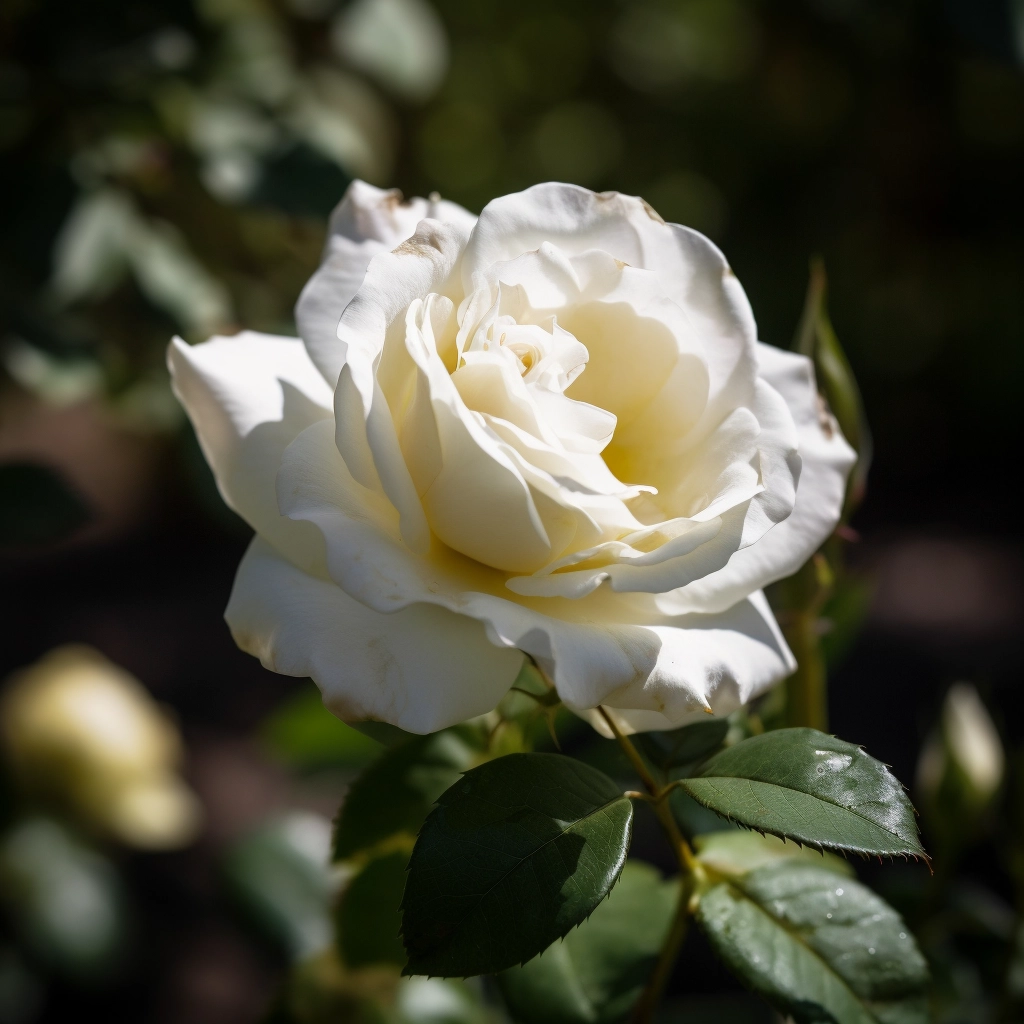
    The rose remains a symbol of love and passion, making it a popular choice for romantic gestures and special occasions. Different colors convey distinct meanings; for instance, red symbolizes love, while white represents purity. Roses are also used as symbols of remembrance and honor.

    The Enduring Appeal of the Rose

    The rose’s history is a testament to its timeless beauty and enduring symbolism. It continues to be cherished for its aesthetic and aromatic qualities, and it holds a special place in cultures around the world. Whether adorning gardens, weddings, or gifts, the rose’s enchanting story is woven into the fabric of human history, a testament to the enduring allure of nature’s most iconic flower.