หมวดหมู่: The Sacred Plant Profiles

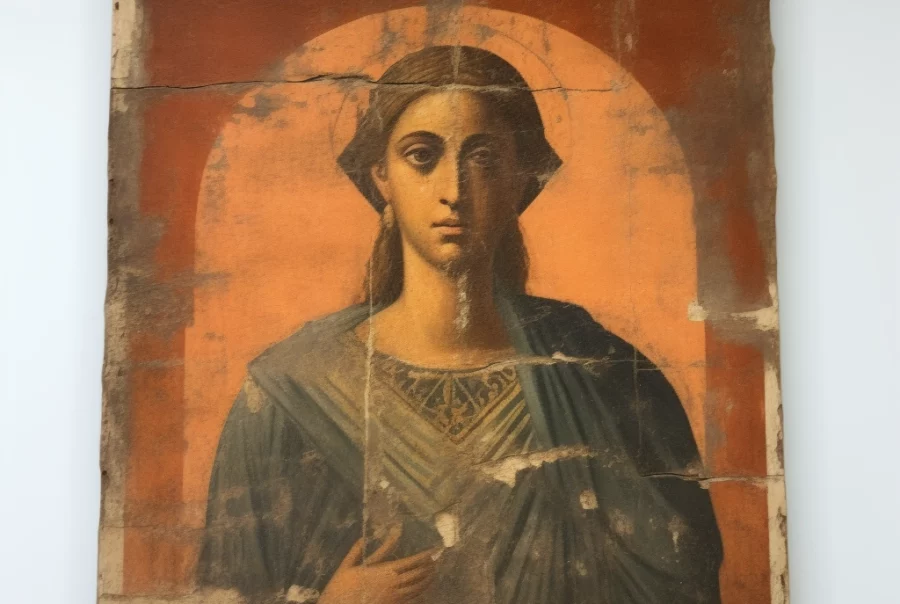
  • Myrrhophore: The Sacred Bearer of Myrrh

    Myrrhophore: The Sacred Bearer of Myrrh

    Exploring the Ancient Tradition of Myrrhophores and Their Significance in History and Spirituality

    In the tapestry of history, there exist ancient traditions and rituals that hold profound symbolism and spiritual significance. One such tradition is that of the Myrrhophore, a term derived from the Greek words “myrrh” (meaning fragrant resin) and “pherein” (meaning to carry). The Myrrhophores were revered figures in various cultures and religions, tasked with carrying and anointing sacred objects or individuals with myrrh—a resin known for its aromatic, healing, and symbolic properties.

    Aromatic Resin with Symbolic Power

    Myrrh, a resin obtained from the Commiphora myrrha tree, has been treasured for its rich fragrance and therapeutic properties for millennia. It played a prominent role in the ancient world, particularly in Egypt, Greece, and the Middle East, where it was used as incense, perfume, and medicine. Myrrh was also a symbol of purification, healing, and spiritual transformation.

    The Role of the Myrrhophore

    In ancient times, the Myrrhophores were individuals, often women, entrusted with the sacred duty of carrying myrrh and using it in various rituals and ceremonies. Their responsibilities included anointing the bodies of the deceased, particularly in the context of funerary practices. Myrrh was believed to have preservative properties, making it an essential element in the mummification process in ancient Egypt.

    Myrrhophores in Religious Narratives

    Myrrhophores are prominently featured in religious narratives, most notably in Christianity. According to the New Testament, Myrrhophores were the women who visited the tomb of Jesus Christ on the morning of the resurrection. They brought with them myrrh and other aromatic spices to anoint His body but were met with the news of His resurrection. This event holds profound significance in Christian theology, symbolizing the victory of life over death.

    Symbolism of the Myrrhophore

    The Myrrhophore archetype is rich in symbolism. It represents devotion, humility, and the willingness to serve a higher purpose. Myrrh, with its fragrant aroma, is associated with purification and transformation, making the act of anointing with myrrh a symbol of spiritual renewal and healing.

    Legacy and Contemporary Reverence

    The legacy of the Myrrhophore endures in various forms today. In some Christian traditions, the faithful continue the practice of anointing with myrrh during special ceremonies, such as the sacrament of chrismation. Additionally, myrrh remains an integral element in the rituals of other spiritual and healing traditions, including aromatherapy and holistic wellness practices.

    Embracing the Myrrhophore Spirit

    While the traditional role of the Myrrhophore may have evolved over time, the essence of devotion, service, and spiritual renewal it represents continues to inspire individuals on their personal journeys. Embracing the Myrrhophore spirit means recognizing the potential for transformation, healing, and spiritual growth that resides within each of us. It’s an invitation to be carriers of light, fragrance, and positive change in our own lives and the lives of others.

    The Myrrhophore, with its ancient roots and timeless symbolism, reminds us that the act of carrying something sacred—whether it be myrrh, love, compassion, or wisdom—can lead to profound spiritual awakening and renewal. It invites us to explore the depths of our own spirituality and the transformative power of our actions.

    As we reflect on the legacy of the Myrrhophore, may we find inspiration in their devotion and carry the fragrance of positive change and healing in our own unique ways, enriching our lives and those we touch along our journey.
  • Frankincense in Ancient Times

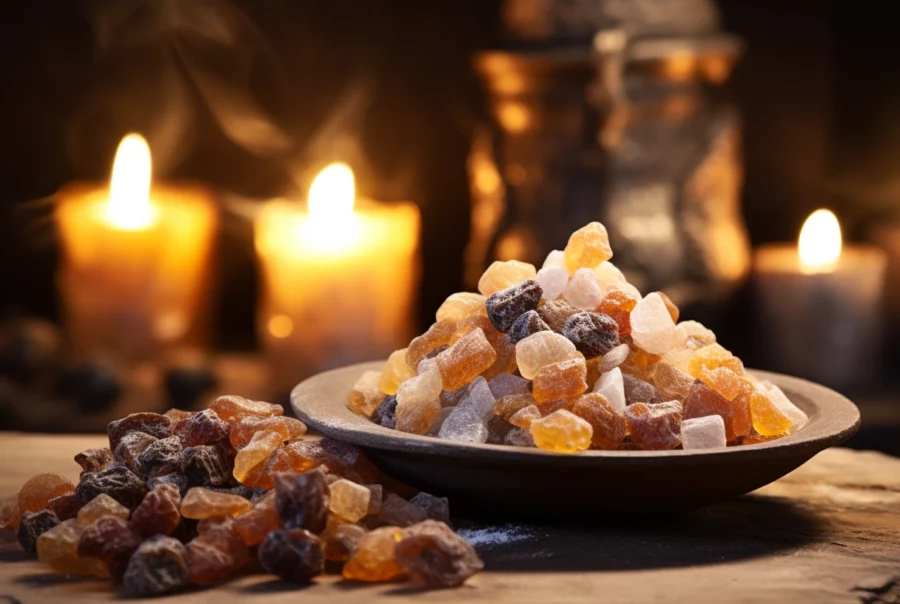
    Frankincense in Ancient Times

    Frankincense in Ancient Times: A Resin of Reverence and Ritual

    Tracing the Rich History and Spiritual Significance of Frankincense in Ancient Civilizations

    Frankincense, a fragrant resin obtained from the Boswellia tree, has been treasured for its aromatic, spiritual, and medicinal properties for thousands of years. Its use in ancient times transcended mere fragrance, playing a central role in the rituals, religions, and cultures of civilizations across the globe.

    The Gift of Kings

    Frankincense’s journey through history begins in the Arabian Peninsula and the Horn of Africa, where the Boswellia trees grow. Harvested by making incisions in the tree’s bark, the resin was collected, dried, and prepared for trade. It quickly became a valuable commodity and was often referred to as “liquid gold.”

    One of the earliest recorded uses of Frankincense dates back to ancient Egypt, where it was considered a sacred substance and was burned as incense in temples during religious ceremonies. Its value was such that it was among the gifts presented to the infant Jesus by the Wise Men, symbolizing its significance as a gift fit for a king.

    Aromatic Offerings in Rituals

    Frankincense’s role extended beyond Egypt to various ancient cultures, including those of Mesopotamia, Persia, Greece, and Rome. In these societies, the fragrant resin was burnt as incense in temples, palaces, and homes during religious ceremonies and rituals. Its smoke was believed to carry prayers and offerings to the gods and deities.

    The use of Frankincense was not limited to religious contexts; it was also employed in daily life. Its pleasant aroma was utilized to purify the air, mask unpleasant odors, and create a sense of tranquility. In some ancient cultures, it was even used as a perfume or an ingredient in cosmetics.

    Medicine and Mysticism

    In addition to its spiritual significance, Frankincense was highly regarded for its medicinal properties. Ancient herbalists and healers used it to treat a variety of ailments, from respiratory conditions to skin disorders. Its anti-inflammatory and soothing properties made it a valuable tool in ancient medicine.

    Frankincense also played a role in mysticism and spirituality. In ancient India, it was used in Ayurvedic practices to enhance meditation and promote spiritual awakening. Similarly, in ancient Persia, it was associated with Zoroastrian rituals and was believed to aid in connecting with the divine.

    A Timeless Symbolism

    Across cultures and millennia, Frankincense symbolized purity, protection, and the divine presence. Its use in temples and sacred spaces was a testament to its ability to elevate the human spirit and facilitate communion with the divine.

    Today, Frankincense continues to be valued for its rich history and its myriad of applications, from aromatherapy and perfumery to skincare and spiritual practices. Its enduring legacy as a symbol of reverence and ritual serves as a reminder of the profound impact fragrances can have on our spiritual and cultural heritage.

    As we reflect on the use of Frankincense in ancient times, we are reminded of the enduring allure of this precious resin—a gift from the natural world that has enriched the human experience for millennia, transcending time and borders.

  • The Rose: A Tale of Beauty and Symbolism Through the Ages

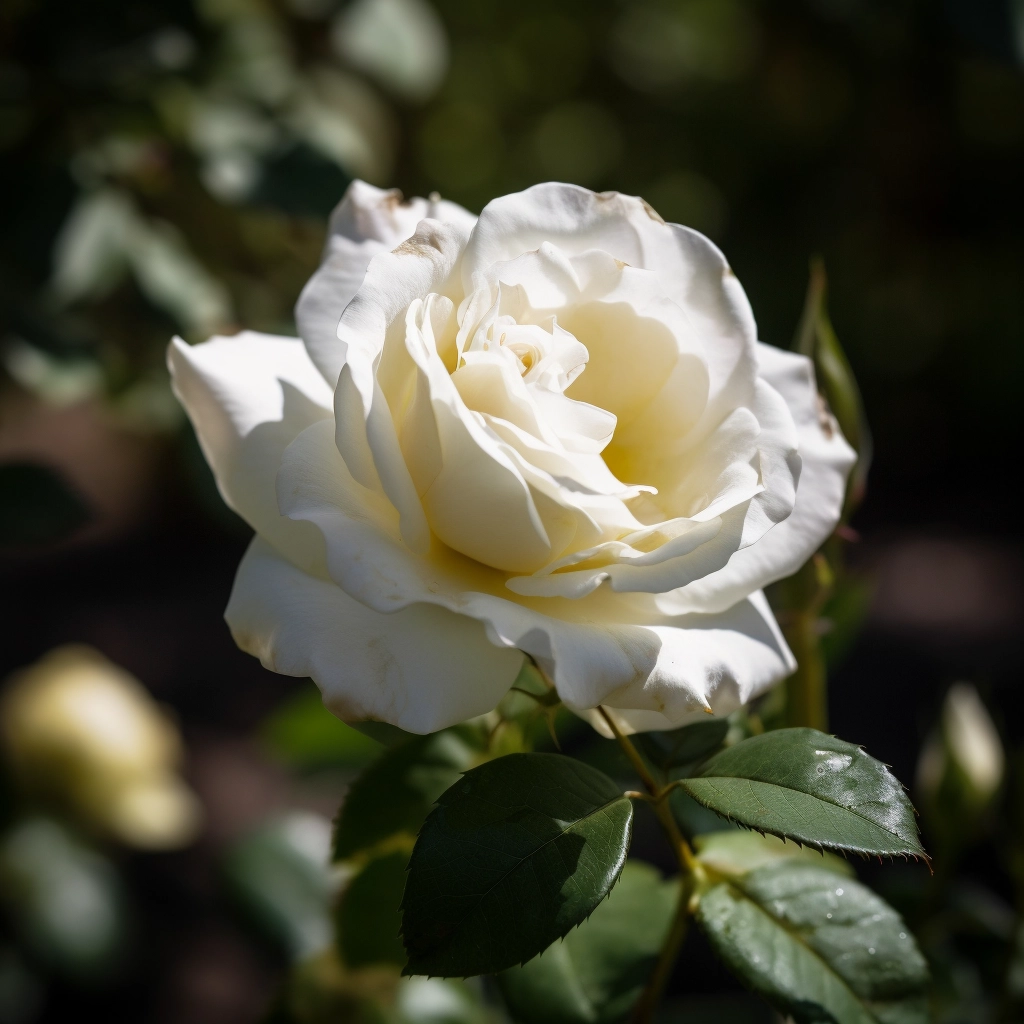
    The Rose: A Tale of Beauty and Symbolism Through the Ages

    The Rose: A Tale of Beauty and Symbolism Through the Ages

    Tracing the Fascinating History of the Rose, from Ancient Beginnings to Modern Significance

    The rose, often referred to as the “Queen of Flowers,” is a botanical marvel that has enchanted humanity for millennia. Its journey through history is a tale of beauty, symbolism, and enduring fascination, with roots that stretch back to ancient civilizations.

    Ancient Beginnings: The Wild Rose

    The history of the rose begins in the wild, where it originated in regions across Asia, Europe, and North America. Fossil evidence suggests that wild roses have existed for over 35 million years, long before human cultivation.

    Early Cultivation: Rose Gardens of Persia

    The rose’s association with human culture can be traced back to ancient Persia (modern-day Iran), where the cultivation of roses began over 2,500 years ago. Persian gardens, renowned for their beauty and design, often featured roses as a central element. The Persians created rosewater and rose oil, which were used for culinary, medicinal, and cosmetic purposes.

    Ancient Greece and Rome: The Symbol of Love and Beauty

    The Greeks and Romans embraced the rose with fervor. In Greek mythology, the rose was linked to the goddess Aphrodite (Venus in Roman mythology), the goddess of love and beauty. Legend has it that the rose was born from Aphrodite’s tears as they fell to the earth and mixed with her lover Adonis’s blood.

    Roses adorned the halls of feasts, were used in perfumes, and became symbols of love and desire. The Roman poet Virgil mentioned roses in his writings, immortalizing them as symbols of luxury and refinement.

    Medieval Europe: Roses and Royalty

    Roses continued to thrive as symbols of beauty and opulence during the medieval period. The Wars of the Roses in 15th-century England, for example, were named for the red and white roses used as emblems by the warring houses of Lancaster and York.

    The Renaissance: Artistic Flourishing

    During the Renaissance, roses flourished in both art and culture. Painters such as Botticelli and Raphael featured roses in their works, and the rose became a symbol of the Virgin Mary, representing purity and devotion.

    Modern Times: A Global Icon

    In the modern era, the rose has transcended cultures and borders to become a global symbol of love, passion, and elegance. Its fragrance and beauty continue to inspire poets, artists, and gardeners worldwide.

    Rose Varieties and Cultivation

    Today, there are thousands of rose varieties cultivated for their unique colors, fragrances, and forms. Hybrid tea roses, floribundas, and old garden roses are just a few examples. The cultivation and appreciation of roses have evolved into a dedicated horticultural pursuit, with rose gardens and exhibitions celebrated globally.

    Symbolism and Significance

    The rose remains a symbol of love and passion, making it a popular choice for romantic gestures and special occasions. Different colors convey distinct meanings; for instance, red symbolizes love, while white represents purity. Roses are also used as symbols of remembrance and honor.

    The Enduring Appeal of the Rose

    The rose’s history is a testament to its timeless beauty and enduring symbolism. It continues to be cherished for its aesthetic and aromatic qualities, and it holds a special place in cultures around the world. Whether adorning gardens, weddings, or gifts, the rose’s enchanting story is woven into the fabric of human history, a testament to the enduring allure of nature’s most iconic flower.