ป้ายกำกับ: ceremonial-oils

  • The Use of Scent In Death Rituals

    The Use of Scent In Death Rituals

    The use of scent in rituals and traditions surrounding death, funerals, and the crossing over of the deceased is a practice deeply rooted in various cultures and religions across the world. Scent plays a significant role in these rituals, serving as a means to honor, comfort, and spiritually guide both the living and the departed.

    Incense and Aromatics in Rituals

    Incense has been a common element in death and funeral rituals for centuries. The burning of incense serves several purposes:Purification: Incense is believed to purify the space where the deceased is laid to rest or where memorial ceremonies are held. It cleanses the atmosphere, removing negative energies and creating a spiritually conducive environment.

    Communication: In many cultures, the smoke from incense is seen as a medium through which prayers and messages can be sent to the departed. It symbolizes a connection between the physical world and the spiritual realm.

    Comfort: The fragrance of incense can provide solace and comfort to grieving family members and friends. It is thought to ease emotional pain and offer a sense of peace.

    Guidance: In some belief systems, incense is used to guide the soul of the deceased to the afterlife. The scent is believed to act as a beacon, helping the soul navigate its journey.

    Specific Scents and Their Meanings

    The choice of incense or aromatic herbs can vary depending on cultural and religious traditions. Here are a few examples:Sandalwood: Commonly used in Hindu and Buddhist funerals, sandalwood incense is known for its calming and purifying properties. It is believed to aid in the soul’s transition to the afterlife.

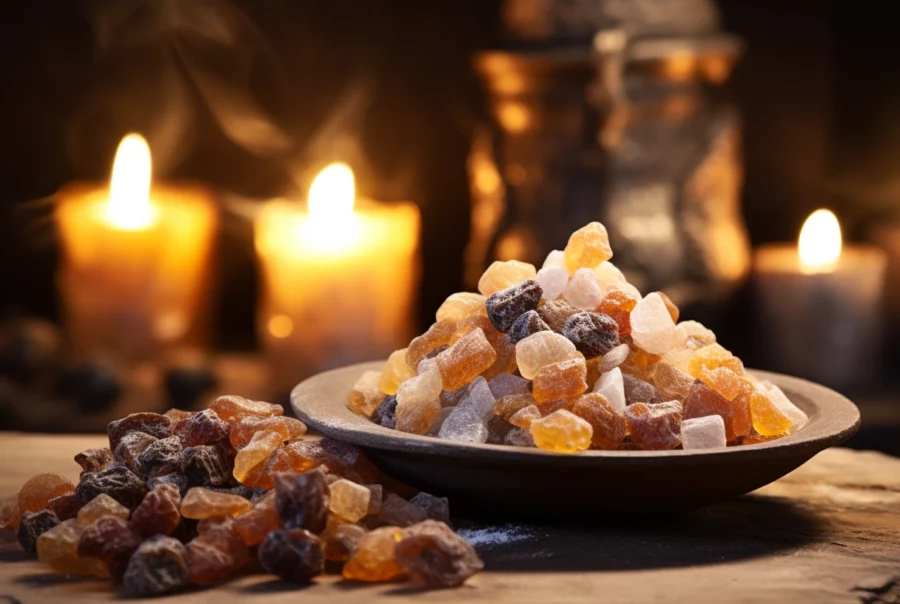
    Myrrh and Frankincense: These resins have been used in various religious traditions, including Christianity. They symbolize offerings to deities and can also represent the gifts of the Magi to the baby Jesus.

    Lavender: In some Western cultures, lavender is associated with funerals and memorial services. Its calming aroma is thought to bring peace and tranquility to the mourners.

    Benzoin: Often used in Islamic funeral rites, benzoin resin is believed to purify the body and create a sacred atmosphere during the ritual washing of the deceased.

    Juniper and Cedar: These fragrances are used by some Native American tribes in purification ceremonies. They are believed to help cleanse the spirit and guide it to the spirit world.

    Personalized and Cultural Variations

    While there are commonalities in the use of scent in death rituals, there are also numerous personalized and culturally specific variations. Some cultures may use local flowers, herbs, or other fragrant materials to create unique rituals that reflect their beliefs and customs.

    In essence, scent serves as a bridge between the physical and spiritual realms during times of loss and mourning. It offers comfort, guidance, and a means of honoring and remembering the departed. Regardless of cultural or religious differences, the use of scent in rituals surrounding death underscores the universal human need to navigate the profound mysteries of life, death, and the afterlife with reverence and compassion.
  • Myrrhophore: The Sacred Bearer of Myrrh

    Myrrhophore: The Sacred Bearer of Myrrh

    Exploring the Ancient Tradition of Myrrhophores and Their Significance in History and Spirituality

    In the tapestry of history, there exist ancient traditions and rituals that hold profound symbolism and spiritual significance. One such tradition is that of the Myrrhophore, a term derived from the Greek words “myrrh” (meaning fragrant resin) and “pherein” (meaning to carry). The Myrrhophores were revered figures in various cultures and religions, tasked with carrying and anointing sacred objects or individuals with myrrh—a resin known for its aromatic, healing, and symbolic properties.

    Aromatic Resin with Symbolic Power

    Myrrh, a resin obtained from the Commiphora myrrha tree, has been treasured for its rich fragrance and therapeutic properties for millennia. It played a prominent role in the ancient world, particularly in Egypt, Greece, and the Middle East, where it was used as incense, perfume, and medicine. Myrrh was also a symbol of purification, healing, and spiritual transformation.

    The Role of the Myrrhophore

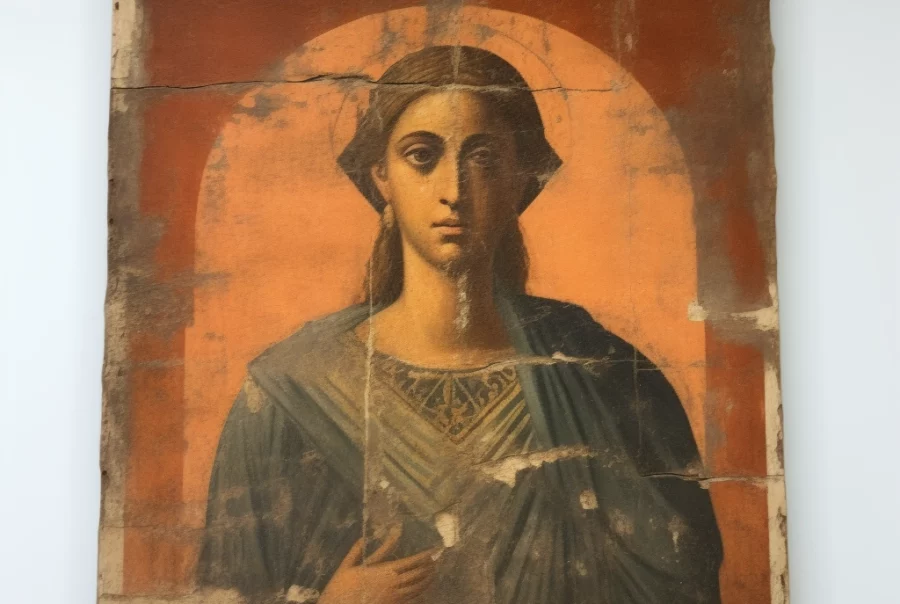
    In ancient times, the Myrrhophores were individuals, often women, entrusted with the sacred duty of carrying myrrh and using it in various rituals and ceremonies. Their responsibilities included anointing the bodies of the deceased, particularly in the context of funerary practices. Myrrh was believed to have preservative properties, making it an essential element in the mummification process in ancient Egypt.

    Myrrhophores in Religious Narratives

    Myrrhophores are prominently featured in religious narratives, most notably in Christianity. According to the New Testament, Myrrhophores were the women who visited the tomb of Jesus Christ on the morning of the resurrection. They brought with them myrrh and other aromatic spices to anoint His body but were met with the news of His resurrection. This event holds profound significance in Christian theology, symbolizing the victory of life over death.

    Symbolism of the Myrrhophore

    The Myrrhophore archetype is rich in symbolism. It represents devotion, humility, and the willingness to serve a higher purpose. Myrrh, with its fragrant aroma, is associated with purification and transformation, making the act of anointing with myrrh a symbol of spiritual renewal and healing.

    Legacy and Contemporary Reverence

    The legacy of the Myrrhophore endures in various forms today. In some Christian traditions, the faithful continue the practice of anointing with myrrh during special ceremonies, such as the sacrament of chrismation. Additionally, myrrh remains an integral element in the rituals of other spiritual and healing traditions, including aromatherapy and holistic wellness practices.

    Embracing the Myrrhophore Spirit

    While the traditional role of the Myrrhophore may have evolved over time, the essence of devotion, service, and spiritual renewal it represents continues to inspire individuals on their personal journeys. Embracing the Myrrhophore spirit means recognizing the potential for transformation, healing, and spiritual growth that resides within each of us. It’s an invitation to be carriers of light, fragrance, and positive change in our own lives and the lives of others.

    The Myrrhophore, with its ancient roots and timeless symbolism, reminds us that the act of carrying something sacred—whether it be myrrh, love, compassion, or wisdom—can lead to profound spiritual awakening and renewal. It invites us to explore the depths of our own spirituality and the transformative power of our actions.

    As we reflect on the legacy of the Myrrhophore, may we find inspiration in their devotion and carry the fragrance of positive change and healing in our own unique ways, enriching our lives and those we touch along our journey.

  • Frankincense in Ancient Times

    Frankincense in Ancient Times

    Frankincense in Ancient Times: A Resin of Reverence and Ritual

    Tracing the Rich History and Spiritual Significance of Frankincense in Ancient Civilizations

    Frankincense, a fragrant resin obtained from the Boswellia tree, has been treasured for its aromatic, spiritual, and medicinal properties for thousands of years. Its use in ancient times transcended mere fragrance, playing a central role in the rituals, religions, and cultures of civilizations across the globe.

    The Gift of Kings

    Frankincense’s journey through history begins in the Arabian Peninsula and the Horn of Africa, where the Boswellia trees grow. Harvested by making incisions in the tree’s bark, the resin was collected, dried, and prepared for trade. It quickly became a valuable commodity and was often referred to as “liquid gold.”

    One of the earliest recorded uses of Frankincense dates back to ancient Egypt, where it was considered a sacred substance and was burned as incense in temples during religious ceremonies. Its value was such that it was among the gifts presented to the infant Jesus by the Wise Men, symbolizing its significance as a gift fit for a king.

    Aromatic Offerings in Rituals

    Frankincense’s role extended beyond Egypt to various ancient cultures, including those of Mesopotamia, Persia, Greece, and Rome. In these societies, the fragrant resin was burnt as incense in temples, palaces, and homes during religious ceremonies and rituals. Its smoke was believed to carry prayers and offerings to the gods and deities.

    The use of Frankincense was not limited to religious contexts; it was also employed in daily life. Its pleasant aroma was utilized to purify the air, mask unpleasant odors, and create a sense of tranquility. In some ancient cultures, it was even used as a perfume or an ingredient in cosmetics.

    Medicine and Mysticism

    In addition to its spiritual significance, Frankincense was highly regarded for its medicinal properties. Ancient herbalists and healers used it to treat a variety of ailments, from respiratory conditions to skin disorders. Its anti-inflammatory and soothing properties made it a valuable tool in ancient medicine.

    Frankincense also played a role in mysticism and spirituality. In ancient India, it was used in Ayurvedic practices to enhance meditation and promote spiritual awakening. Similarly, in ancient Persia, it was associated with Zoroastrian rituals and was believed to aid in connecting with the divine.

    A Timeless Symbolism

    Across cultures and millennia, Frankincense symbolized purity, protection, and the divine presence. Its use in temples and sacred spaces was a testament to its ability to elevate the human spirit and facilitate communion with the divine.

    Today, Frankincense continues to be valued for its rich history and its myriad of applications, from aromatherapy and perfumery to skincare and spiritual practices. Its enduring legacy as a symbol of reverence and ritual serves as a reminder of the profound impact fragrances can have on our spiritual and cultural heritage.

    As we reflect on the use of Frankincense in ancient times, we are reminded of the enduring allure of this precious resin—a gift from the natural world that has enriched the human experience for millennia, transcending time and borders.

  • Essential Oils for Spirituality

    Essential Oils for Spirituality

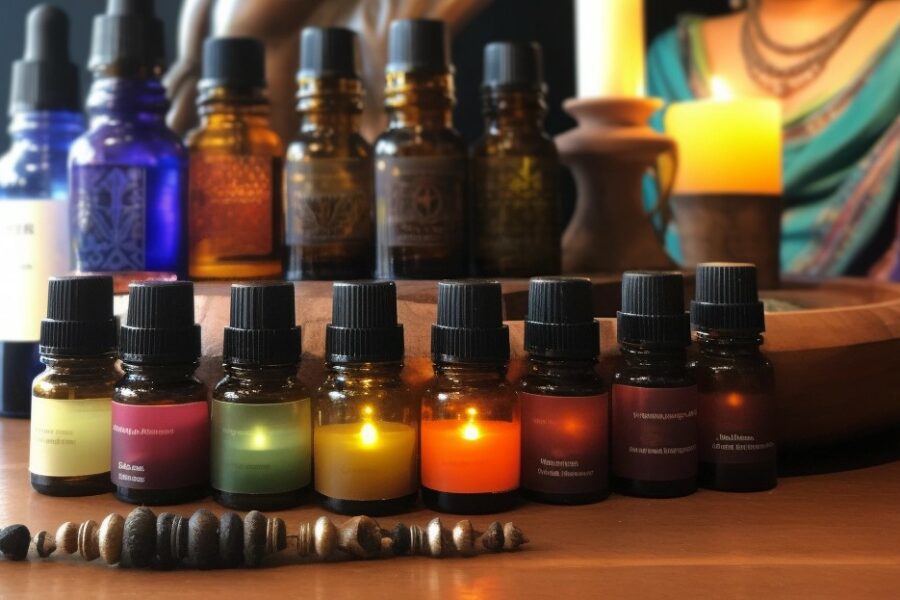
    Essential oils are often used as effective mind-altering tools.

    In meditation and prayer they can help create a sense of peace, relaxation, enhance the mental ability to focus and gain clarity.

    Each essential oil has different spiritual properties, based on their unique vibrational energy. For example, Frankincense essential oil is often associated with spiritual purification and is commonly used in meditation and spiritual rituals, while Rose essential oil is associated with love and is often used to promote a sense of connection and compassion.

    The spiritual properties of essential oils refer to their potential to affect the energetic or spiritual aspects of a person’s being, such as their emotions, thoughts, and spiritual well-being. These properties are often based on the belief that essential oils have a subtle energy or vibrational quality that can influence a person’s energy field or aura.

    While their spiritual properties are based on metaphysical or spiritual beliefs rather than scientific evidence, there are strong evidences support that ;

    Essential oils have been used in religious rituals and ceremonies and for spiritual and healing purposes for thousands of years in various cultures around the world.

    Many of these ancient cultures believed that essential oils carry the light of consciousness and can help connect to the angelic realms.

    In egypt, essential oils like myrrh and cedarwood were also used in the process of embalming mummies. These oils were believed to have antibacterial properties that helped preserve the body, and their fragrances were thought to help guide the deceased to the afterlife. In the Bible, Frankincense and Myrrh were used as gifts for the baby Jesus and were believed to have spiritual significance. In Hinduism, essential oils such as Sandalwood and Rose are used in spiritual practices such as puja, meditation, and yoga.

    Essential oils are widely used by the vibrational healing practitioners.

    It is proven that essential oils contain high vibrational energy.

    Therefore, they have been used to help balance and harmonize the energy centers in the body, such as the chakras or meridians, therefore, they have been used widely in energy healing and can help to raise or lower vibrational frequency of persons.