ป้ายกำกับ: emotional-healing

  • Scent and the Reprogramming of the Mind

    Scent and the Reprogramming of the Mind

    Unlocking the Power of Fragrance to Reshape Thoughts, Emotions, and Behavior

    The human mind is a complex labyrinth of thoughts, memories, and emotions, constantly influenced by external stimuli. Among these stimuli, scent stands out as a potent and often overlooked force. It has the remarkable ability to not only evoke memories but also reprogram the mind, forging new pathways toward personal growth and self-transformation. Welcome to the world of aromatic psychology—a journey into the profound relationship between scent and the reprogramming of the mind.

    The Scent-Mind Connection

    Our sense of smell is intricately linked to the brain’s limbic system, which governs emotions, memories, and behaviors. When we encounter a particular scent, it can trigger a cascade of neural responses, often leading to vivid memories and emotional reactions. This connection provides a unique opportunity for scent to be used as a tool for reprogramming the mind.

    Unearthing Emotional Memories

    One of the most remarkable aspects of scent is its ability to unearth deeply buried emotional memories. A simple whiff of a familiar fragrance can transport us back in time, allowing us to relive moments and emotions long forgotten. By harnessing this power, aromatic psychology aims to heal emotional wounds, release pent-up trauma, and promote personal growth.

    Positive Associations and Behavioral Change

    Scent has the potential to create positive associations in our minds. For example, if a particular fragrance is consistently paired with a sense of calm and relaxation, it can become an anchor for those emotions. This conditioning can be harnessed to reprogram the mind, enabling individuals to manage stress, reduce anxiety, and foster more positive thought patterns.

    The Role of Aromatherapy in Mind Reprogramming

    Aromatherapy, a practice that utilizes the therapeutic properties of essential oils, plays a pivotal role in aromatic psychology. Essential oils, derived from aromatic plants, contain complex chemical compounds that interact with the brain when inhaled or applied topically. Different oils have unique effects on mood, cognition, and emotion, making them valuable tools for reprogramming the mind.

    Crafting Personalized Mind Reprogramming Rituals

    To use scent for mind reprogramming, individuals can craft personalized rituals that incorporate aromatherapy. These rituals may include creating a serene environment with calming scents for meditation or using invigorating fragrances to boost focus and motivation during work or study. Over time, these intentional practices can reshape thought patterns and emotional responses.

    Unlocking Personal Growth and Transformation

    The power of scent in mind reprogramming extends to personal growth and self-transformation. By consciously selecting and utilizing fragrances that resonate with their goals, individuals can embark on journeys of self-discovery and self-improvement. Scent becomes a guiding force, helping them overcome obstacles, enhance self-esteem, and cultivate inner strength.

    Embrace the Aromatic Path to Personal Transformation

    As we navigate the complexities of the mind, it’s essential to recognize the profound impact scent can have on our thoughts, emotions, and behaviors. Aromatic psychology and aromatherapy offer us a doorway into this world of mind reprogramming, enabling us to unlock personal growth and transformation.

    Whether you seek to overcome limiting beliefs, manage stress, or foster a greater sense of well-being, scent can be a trusted ally on your journey. Embrace the aromatic path to personal transformation and let the power of fragrance guide you toward a more enriched and fulfilled life.
  • How Essential Oils Help Emotional Healing?

    How Essential Oils Help Emotional Healing?

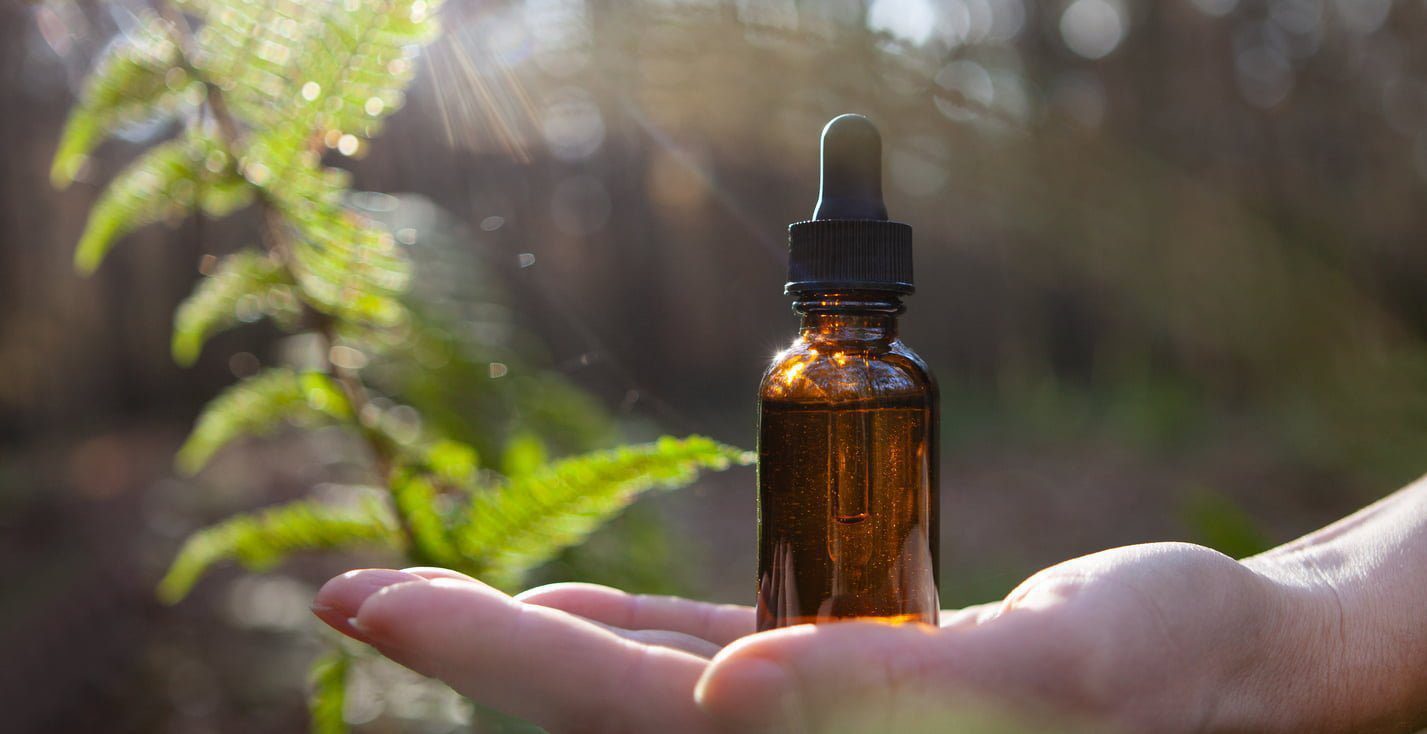
    Essential oils are believed to have a range of therapeutic properties that can help support emotional healing. Many people find that inhaling or using essential oils topically can help them relax, reduce stress, and enhance their mood.

    One way that essential oils may help with emotional healing is through their effects on the limbic system of the brain. The limbic system is responsible for regulating emotions, memories, and behavior, and is closely connected to the olfactory system, which is responsible for our sense of smell. When we inhale essential oils, they can stimulate the olfactory nerves and travel directly to the limbic system, where they can affect our emotional states.

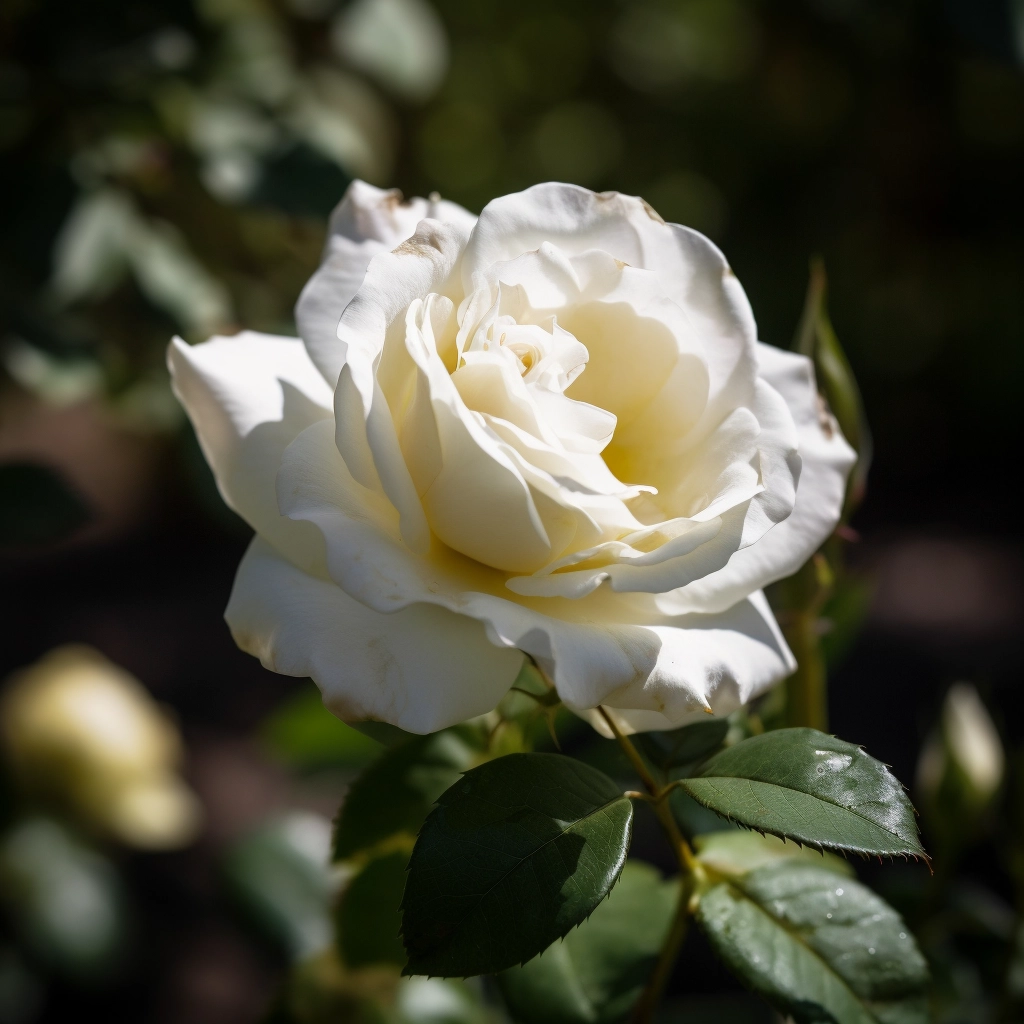
    Different essential oils have different therapeutic properties that can be helpful for emotional healing. For example, lavender essential oil is often used for its calming and relaxing effects, and is believed to be helpful for reducing anxiety and promoting a sense of peace and tranquility. Rose essential oil is often used for its uplifting and mood-enhancing effects, and is believed to be helpful for promoting feelings of joy and happiness.

    Other essential oils that are commonly used for emotional healing include bergamot, frankincense, chamomile, and ylang-ylang, among others. It’s important to note that the effects of essential oils on emotional healing may vary from person to person, and that more research is needed to fully understand the relationship between essential oils and emotional health.

    It’s also important to use essential oils safely and to seek the advice of a qualified healthcare professional before using them for emotional healing purposes, especially if you have any underlying medical conditions or are taking medications.

  • The Rose: A Tale of Beauty and Symbolism Through the Ages

    The Rose: A Tale of Beauty and Symbolism Through the Ages

    The Rose: A Tale of Beauty and Symbolism Through the Ages

    Tracing the Fascinating History of the Rose, from Ancient Beginnings to Modern Significance

    The rose, often referred to as the “Queen of Flowers,” is a botanical marvel that has enchanted humanity for millennia. Its journey through history is a tale of beauty, symbolism, and enduring fascination, with roots that stretch back to ancient civilizations.

    Ancient Beginnings: The Wild Rose

    The history of the rose begins in the wild, where it originated in regions across Asia, Europe, and North America. Fossil evidence suggests that wild roses have existed for over 35 million years, long before human cultivation.

    Early Cultivation: Rose Gardens of Persia

    The rose’s association with human culture can be traced back to ancient Persia (modern-day Iran), where the cultivation of roses began over 2,500 years ago. Persian gardens, renowned for their beauty and design, often featured roses as a central element. The Persians created rosewater and rose oil, which were used for culinary, medicinal, and cosmetic purposes.

    Ancient Greece and Rome: The Symbol of Love and Beauty

    The Greeks and Romans embraced the rose with fervor. In Greek mythology, the rose was linked to the goddess Aphrodite (Venus in Roman mythology), the goddess of love and beauty. Legend has it that the rose was born from Aphrodite’s tears as they fell to the earth and mixed with her lover Adonis’s blood.

    Roses adorned the halls of feasts, were used in perfumes, and became symbols of love and desire. The Roman poet Virgil mentioned roses in his writings, immortalizing them as symbols of luxury and refinement.

    Medieval Europe: Roses and Royalty

    Roses continued to thrive as symbols of beauty and opulence during the medieval period. The Wars of the Roses in 15th-century England, for example, were named for the red and white roses used as emblems by the warring houses of Lancaster and York.

    The Renaissance: Artistic Flourishing

    During the Renaissance, roses flourished in both art and culture. Painters such as Botticelli and Raphael featured roses in their works, and the rose became a symbol of the Virgin Mary, representing purity and devotion.

    Modern Times: A Global Icon

    In the modern era, the rose has transcended cultures and borders to become a global symbol of love, passion, and elegance. Its fragrance and beauty continue to inspire poets, artists, and gardeners worldwide.

    Rose Varieties and Cultivation

    Today, there are thousands of rose varieties cultivated for their unique colors, fragrances, and forms. Hybrid tea roses, floribundas, and old garden roses are just a few examples. The cultivation and appreciation of roses have evolved into a dedicated horticultural pursuit, with rose gardens and exhibitions celebrated globally.

    Symbolism and Significance

    The rose remains a symbol of love and passion, making it a popular choice for romantic gestures and special occasions. Different colors convey distinct meanings; for instance, red symbolizes love, while white represents purity. Roses are also used as symbols of remembrance and honor.

    The Enduring Appeal of the Rose

    The rose’s history is a testament to its timeless beauty and enduring symbolism. It continues to be cherished for its aesthetic and aromatic qualities, and it holds a special place in cultures around the world. Whether adorning gardens, weddings, or gifts, the rose’s enchanting story is woven into the fabric of human history, a testament to the enduring allure of nature’s most iconic flower.

  • How Do Our Shadows Obstruct Our Freedom?

    How Do Our Shadows Obstruct Our Freedom?

    The shadow is a part of ourselves that we keep hidden, often because it contains qualities or traits that we deem to be negative or unacceptable. These can include things like anger, jealousy, greed, or selfishness. By denying these aspects of ourselves and keeping them hidden in the shadow, we can become disconnected from our authentic selves and experience a sense of inner conflict or tension.

    This inner conflict can manifest in various ways, such as feeling stuck in unfulfilling jobs or relationships, struggling with addiction or mental health issues, or feeling like we are not living up to our full potential. In other words, when we deny or repress parts of ourselves, we create blockages that can prevent us from experiencing true freedom and fulfillment.

    In order to overcome these blockages and reclaim our sense of freedom, it is important to acknowledge and integrate the shadow. This involves recognizing and accepting the parts of ourselves that we have kept hidden, and working to integrate them into our conscious awareness. By doing so, we can begin to live more authentically and with greater self-awareness, which can lead to a greater sense of freedom and fulfillment in our lives.

  • When Your Soul Archetype Feels Out of Alignment: Signs and Solutions

    When Your Soul Archetype Feels Out of Alignment: Signs and Solutions

    It is often the case that we mistakenly perceive our soul role ( or soul archetype) due to various external factors that shape our life experiences. Family upbringing, social conditioning, and past life experiences can all contribute to our perception of who we are and what our role in life is.

    For example, if someone grew up in a family that placed a high value on academic achievement, they may feel pressured to pursue a career in a field that they are not passionate about, but one that is seen as prestigious or financially lucrative. This can lead to a misalignment with their true essence, causing them to feel unfulfilled and disconnected from their purpose in life.

    Similarly, societal expectations and conditioning can lead us to believe that we need to conform to certain roles or identities, even if they do not align with our true essence. For instance, some people may feel pressure to conform to traditional gender roles, even if they do not identify with them.

    Furthermore, past life experiences can also impact our perception of our soul role. For example, if someone had a traumatic experience in a past life related to a particular role or identity, they may have an aversion to it in their current life, even if it is their true soul role.

    All of these factors can lead to a misalignment with our true essence, causing disharmony in our lives. It is important to reflect on our experiences and beliefs, and to engage in practices such as meditation and self-reflection to connect with our true essence and align with our soul role.