ป้ายกำกับ: plant-spirit

  • The Use of Scent In Death Rituals

    The Use of Scent In Death Rituals

    The use of scent in rituals and traditions surrounding death, funerals, and the crossing over of the deceased is a practice deeply rooted in various cultures and religions across the world. Scent plays a significant role in these rituals, serving as a means to honor, comfort, and spiritually guide both the living and the departed.

    Incense and Aromatics in Rituals

    Incense has been a common element in death and funeral rituals for centuries. The burning of incense serves several purposes:Purification: Incense is believed to purify the space where the deceased is laid to rest or where memorial ceremonies are held. It cleanses the atmosphere, removing negative energies and creating a spiritually conducive environment.

    Communication: In many cultures, the smoke from incense is seen as a medium through which prayers and messages can be sent to the departed. It symbolizes a connection between the physical world and the spiritual realm.

    Comfort: The fragrance of incense can provide solace and comfort to grieving family members and friends. It is thought to ease emotional pain and offer a sense of peace.

    Guidance: In some belief systems, incense is used to guide the soul of the deceased to the afterlife. The scent is believed to act as a beacon, helping the soul navigate its journey.

    Specific Scents and Their Meanings

    The choice of incense or aromatic herbs can vary depending on cultural and religious traditions. Here are a few examples:Sandalwood: Commonly used in Hindu and Buddhist funerals, sandalwood incense is known for its calming and purifying properties. It is believed to aid in the soul’s transition to the afterlife.

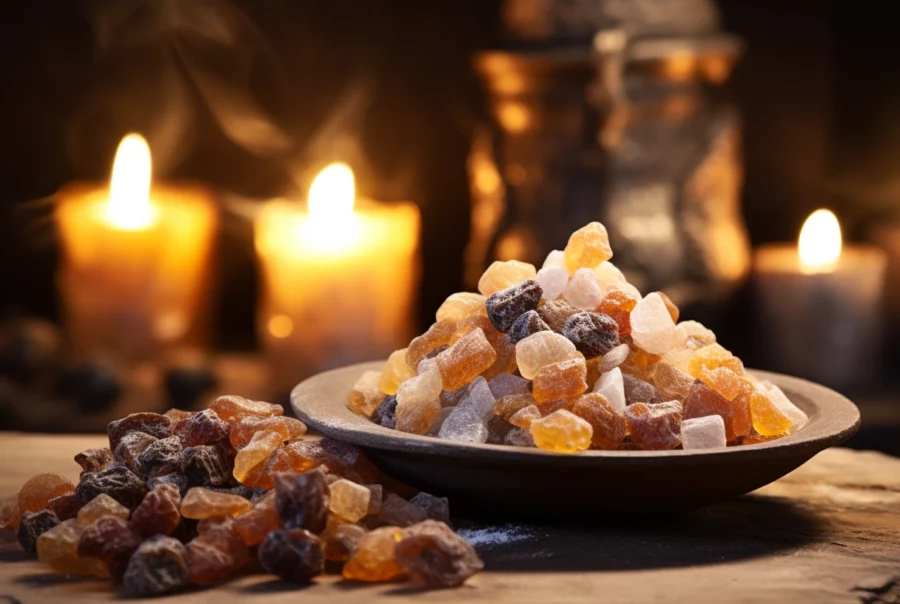
    Myrrh and Frankincense: These resins have been used in various religious traditions, including Christianity. They symbolize offerings to deities and can also represent the gifts of the Magi to the baby Jesus.

    Lavender: In some Western cultures, lavender is associated with funerals and memorial services. Its calming aroma is thought to bring peace and tranquility to the mourners.

    Benzoin: Often used in Islamic funeral rites, benzoin resin is believed to purify the body and create a sacred atmosphere during the ritual washing of the deceased.

    Juniper and Cedar: These fragrances are used by some Native American tribes in purification ceremonies. They are believed to help cleanse the spirit and guide it to the spirit world.

    Personalized and Cultural Variations

    While there are commonalities in the use of scent in death rituals, there are also numerous personalized and culturally specific variations. Some cultures may use local flowers, herbs, or other fragrant materials to create unique rituals that reflect their beliefs and customs.

    In essence, scent serves as a bridge between the physical and spiritual realms during times of loss and mourning. It offers comfort, guidance, and a means of honoring and remembering the departed. Regardless of cultural or religious differences, the use of scent in rituals surrounding death underscores the universal human need to navigate the profound mysteries of life, death, and the afterlife with reverence and compassion.

  • The Ancient Roots of Scent Alchemy

    The Ancient Roots of Scent Alchemy: A Journey through Time

    Exploring the Timeless Connection between Scent, Alchemy, and Personal Transformation

    As we embark on a journey into the world of Scent Alchemy, it’s essential to understand that the practice of using scent for transformation is not a recent discovery. Instead, it’s deeply rooted in the annals of history, dating back to ancient civilizations where scent and alchemy intertwined to unlock the secrets of personal and spiritual growth.

    The Scented Trails of Ancient Egypt

    Our voyage into the world of Scent Alchemy begins in ancient Egypt, a civilization renowned for its fascination with fragrances. In the land of the pharaohs, aromatic plants and resins were cherished not only for their pleasant scents but also for their profound spiritual significance.

    Ancient Egyptians believed that fragrances held the power to connect the physical world with the divine. They used scents in religious rituals, believing that the aromatic smoke from incense and the application of fragrant oils could bridge the gap between mortals and gods. This practice, in essence, was an early form of scent alchemy—a quest to transform and elevate the human spirit.

    Scent Alchemy in Ancient India: Ayurveda and Beyond

    In the ancient traditions of India, particularly within Ayurveda, the use of scent as a healing and transformative tool was prevalent. The ancient Ayurvedic texts contain references to aromatic herbs and oils used for both physical and mental well-being.

    Ayurveda recognized the intricate connection between the senses and the mind. Scents were considered a way to influence one’s thoughts, emotions, and overall state of consciousness positively. Whether through the use of perfumed oils in massages or the burning of fragrant herbs in meditation, scent alchemy played a pivotal role in personal transformation.

    Alchemy’s Aromatic Mysteries in the West

    In the Western world, alchemy was a multifaceted practice that aimed to transform base materials into precious substances, such as the famous pursuit of turning lead into gold. Yet, alongside these material pursuits, a more esoteric form of alchemy emerged—one that sought to transmute the soul and achieve spiritual enlightenment.

    Within this mystical branch of alchemy, aromatic substances were highly regarded. Alchemists believed that just as they could transmute physical substances, they could also refine and elevate the human spirit through the use of specific scents. The “Elixir of Life” and the “Philosopher’s Stone” became metaphors for spiritual transformation, often linked to fragrances and elixirs.

    Modern Resurgence of Scent Alchemy

    While the ancient practices of scent alchemy varied across cultures and time periods, they all shared a common thread: the belief in the transformative power of scent to penetrate the depths of the human psyche and soul.

    Today, the concept of Scent Alchemy continues to evolve, drawing inspiration from these ancient roots. In the modern world, we combine the wisdom of the past with contemporary science to explore the potential of fragrances for personal growth and self-transformation.

    In the articles to come, we will journey deeper into the modern practice of Scent Alchemy, exploring how ancient wisdom meets contemporary knowledge to unlock the secrets of personal and spiritual development through the power of scent.

    Join us as we trace the scented trails of our ancestors and embark on a voyage of self-discovery and transformation through the aromatic wonders of Scent Alchemy.

  • Myrrhophore: The Sacred Bearer of Myrrh

    Myrrhophore: The Sacred Bearer of Myrrh

    Exploring the Ancient Tradition of Myrrhophores and Their Significance in History and Spirituality

    In the tapestry of history, there exist ancient traditions and rituals that hold profound symbolism and spiritual significance. One such tradition is that of the Myrrhophore, a term derived from the Greek words “myrrh” (meaning fragrant resin) and “pherein” (meaning to carry). The Myrrhophores were revered figures in various cultures and religions, tasked with carrying and anointing sacred objects or individuals with myrrh—a resin known for its aromatic, healing, and symbolic properties.

    Aromatic Resin with Symbolic Power

    Myrrh, a resin obtained from the Commiphora myrrha tree, has been treasured for its rich fragrance and therapeutic properties for millennia. It played a prominent role in the ancient world, particularly in Egypt, Greece, and the Middle East, where it was used as incense, perfume, and medicine. Myrrh was also a symbol of purification, healing, and spiritual transformation.

    The Role of the Myrrhophore

    In ancient times, the Myrrhophores were individuals, often women, entrusted with the sacred duty of carrying myrrh and using it in various rituals and ceremonies. Their responsibilities included anointing the bodies of the deceased, particularly in the context of funerary practices. Myrrh was believed to have preservative properties, making it an essential element in the mummification process in ancient Egypt.

    Myrrhophores in Religious Narratives

    Myrrhophores are prominently featured in religious narratives, most notably in Christianity. According to the New Testament, Myrrhophores were the women who visited the tomb of Jesus Christ on the morning of the resurrection. They brought with them myrrh and other aromatic spices to anoint His body but were met with the news of His resurrection. This event holds profound significance in Christian theology, symbolizing the victory of life over death.

    Symbolism of the Myrrhophore

    The Myrrhophore archetype is rich in symbolism. It represents devotion, humility, and the willingness to serve a higher purpose. Myrrh, with its fragrant aroma, is associated with purification and transformation, making the act of anointing with myrrh a symbol of spiritual renewal and healing.

    Legacy and Contemporary Reverence

    The legacy of the Myrrhophore endures in various forms today. In some Christian traditions, the faithful continue the practice of anointing with myrrh during special ceremonies, such as the sacrament of chrismation. Additionally, myrrh remains an integral element in the rituals of other spiritual and healing traditions, including aromatherapy and holistic wellness practices.

    Embracing the Myrrhophore Spirit

    While the traditional role of the Myrrhophore may have evolved over time, the essence of devotion, service, and spiritual renewal it represents continues to inspire individuals on their personal journeys. Embracing the Myrrhophore spirit means recognizing the potential for transformation, healing, and spiritual growth that resides within each of us. It’s an invitation to be carriers of light, fragrance, and positive change in our own lives and the lives of others.

    The Myrrhophore, with its ancient roots and timeless symbolism, reminds us that the act of carrying something sacred—whether it be myrrh, love, compassion, or wisdom—can lead to profound spiritual awakening and renewal. It invites us to explore the depths of our own spirituality and the transformative power of our actions.

    As we reflect on the legacy of the Myrrhophore, may we find inspiration in their devotion and carry the fragrance of positive change and healing in our own unique ways, enriching our lives and those we touch along our journey.

  • Frankincense in Ancient Times

    Frankincense in Ancient Times

    Frankincense in Ancient Times: A Resin of Reverence and Ritual

    Tracing the Rich History and Spiritual Significance of Frankincense in Ancient Civilizations

    Frankincense, a fragrant resin obtained from the Boswellia tree, has been treasured for its aromatic, spiritual, and medicinal properties for thousands of years. Its use in ancient times transcended mere fragrance, playing a central role in the rituals, religions, and cultures of civilizations across the globe.

    The Gift of Kings

    Frankincense’s journey through history begins in the Arabian Peninsula and the Horn of Africa, where the Boswellia trees grow. Harvested by making incisions in the tree’s bark, the resin was collected, dried, and prepared for trade. It quickly became a valuable commodity and was often referred to as “liquid gold.”

    One of the earliest recorded uses of Frankincense dates back to ancient Egypt, where it was considered a sacred substance and was burned as incense in temples during religious ceremonies. Its value was such that it was among the gifts presented to the infant Jesus by the Wise Men, symbolizing its significance as a gift fit for a king.

    Aromatic Offerings in Rituals

    Frankincense’s role extended beyond Egypt to various ancient cultures, including those of Mesopotamia, Persia, Greece, and Rome. In these societies, the fragrant resin was burnt as incense in temples, palaces, and homes during religious ceremonies and rituals. Its smoke was believed to carry prayers and offerings to the gods and deities.

    The use of Frankincense was not limited to religious contexts; it was also employed in daily life. Its pleasant aroma was utilized to purify the air, mask unpleasant odors, and create a sense of tranquility. In some ancient cultures, it was even used as a perfume or an ingredient in cosmetics.

    Medicine and Mysticism

    In addition to its spiritual significance, Frankincense was highly regarded for its medicinal properties. Ancient herbalists and healers used it to treat a variety of ailments, from respiratory conditions to skin disorders. Its anti-inflammatory and soothing properties made it a valuable tool in ancient medicine.

    Frankincense also played a role in mysticism and spirituality. In ancient India, it was used in Ayurvedic practices to enhance meditation and promote spiritual awakening. Similarly, in ancient Persia, it was associated with Zoroastrian rituals and was believed to aid in connecting with the divine.

    A Timeless Symbolism

    Across cultures and millennia, Frankincense symbolized purity, protection, and the divine presence. Its use in temples and sacred spaces was a testament to its ability to elevate the human spirit and facilitate communion with the divine.

    Today, Frankincense continues to be valued for its rich history and its myriad of applications, from aromatherapy and perfumery to skincare and spiritual practices. Its enduring legacy as a symbol of reverence and ritual serves as a reminder of the profound impact fragrances can have on our spiritual and cultural heritage.

    As we reflect on the use of Frankincense in ancient times, we are reminded of the enduring allure of this precious resin—a gift from the natural world that has enriched the human experience for millennia, transcending time and borders.

  • Why We Call It Scent Alchemy: And Why It Changes Everything

    Why We Call It Scent Alchemy: And Why It Changes Everything

    Scent Alchemy: Transforming Mind, Body, and Spirit

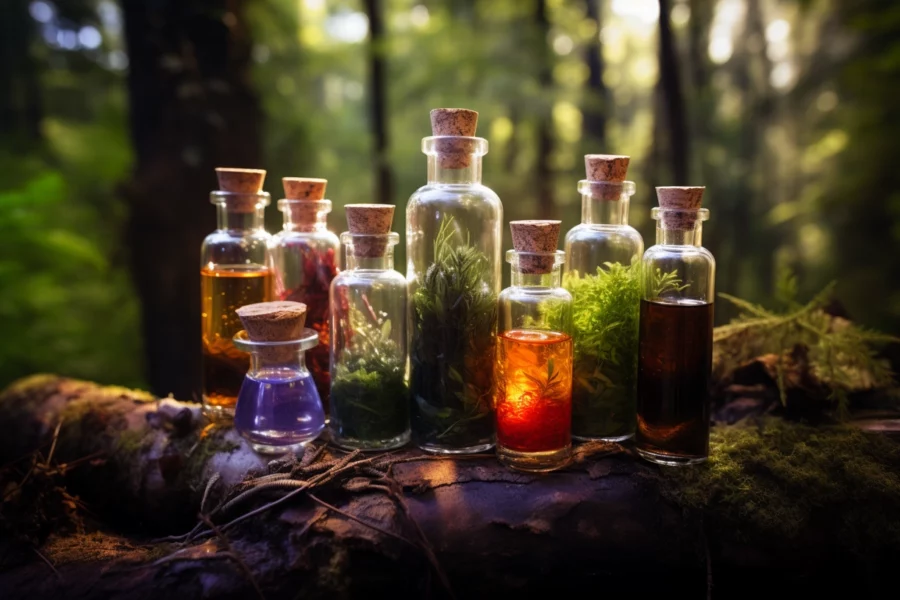
    Scent Alchemy is a powerful practice based on the principles of aromatherapy. It involves the use of essential oils to promote overall well-being, but takes it one step further by incorporating the spiritual and metaphysical properties of these oils to create positive changes in the mind, body, and spirit.

    The Power of Alchemy

    The term “alchemy” is used because it suggests the transformation of one substance into another, which is similar to the way that essential oils can transform our mood and emotions. The idea is that the combination of different scents can create a new and more potent substance that has a powerful effect on our consciousness.

    The Four Alchemical Processes of Scent Alchemy

    Alchemy is an ancient philosophical and metaphysical tradition that aims to transform and perfect matter, both physically and spiritually. In the context of scent alchemy, the entire process starts from nature and takes multiple alchemical processes. Each process builds upon the previous one and requires different skills, knowledge, and tools to achieve the desired result.

    Scent Alchemy involves four alchemical processes.

    Process#1 The Creation of Aromatic Compounds

    The first process involves the creation of aromatic compounds by plants. These compounds reflect the unique vibrational energetic profile of each plant.

    Process #2 The Distillation of Essential Oils

    The second process involves the distillation of these compounds to produce essential oils, which contain the “soul essence of the plant” with their unique archetypal qualities that can be used for various purposes, including physical, mental, emotional, and spiritual healing.

    Process #3 Transforming Vibrational Life Forces

    The third process involves using a series of selective essential oils with different profiles of vibrational energy for the transformation process for each individual. By simply breathing in their aromas, the vibrational energy of each element can help purify, heal, anchor, and raise an individual’s energy field.

    Process #4 Mental Transformation

    In the final step of the scent alchemy, the transformed vibrational life forces are combined with intention and visualization to manifest a desired outcome. This can be done through various techniques such as sound therapy, meditation, or visualization practices. By combining the power of intention with the vibrational energy of the essential oils, individuals can create a positive shift in their energetic field and ultimately manifest their desires into reality.

    Join Our Scent Alchemy Program

    Scent Alchemy is a transformative practice that can help individuals achieve greater well-being and manifest their desires. If you’re interested in exploring the power of scent alchemy, we invite you to join our Scent Alchemy Program. Our program is designed to help you identify the scents that resonate with you and facilitate the practice of scent alchemy in the comfort of your own home.

  • What Every Plant is Trying to Tell You: Understanding Oil Personalities

    What Every Plant is Trying to Tell You: Understanding Oil Personalities

    The concept of plant personality refers to the idea that plants have their own unique character or spirit, much like humans and animals. It is believe that by connecting with a plant’s personality or spirit, we can gain insight into its therapeutic properties and how it can best be used for healing.

    Similarly, it is believe that essential oils have their own personality characteristics that can influence their therapeutic effects. For example, some essential oils are believed to have a warming or cooling effect on the body, while others may be uplifting or calming to the emotions.

    The personality characteristics of essential oils , often described in terms of their scent and the effects they have on the body and mind, are derived from the unique composition of the four elements – earth, water, air, and fire.

    According to this perspective, each element represents a different aspect of the essential oil’s personality, and the specific combination of elements in the oil gives it its unique character.

    Earth element is associated with stability, grounding, and physicality.

    Essential oils with a strong earth element might be described as having a solid, grounding energy, and may be helpful for promoting feelings of stability and security.

    Water element is associated with emotion, intuition, and flow.

    Essential oils with a strong water element might be described as having a fluid, flowing energy, and may be helpful for promoting emotional healing and releasing stuck emotions.

    Air element is associated with intellect, communication, and creativity.

    Essential oils with a strong air element might be described as having a light, airy energy, and may be helpful for promoting mental clarity and creative inspiration.

    Fire element is associated with passion, vitality, and transformation.

    Essential oils with a strong fire element might be described as having a fiery, intense energy, and may be helpful for promoting feelings of passion and vitality.

    Lastly, It is also believe that the composition of the four elements in a person’s personality also determines their unique character and personality traits. In this way, the personality of an essential oil may be seen as a reflection of the personality of the person who uses it, and the two may work together in a complementary way to support overall health and wellbeing.

  • Do Plants Have Consciousness?

    Do Plants Have Consciousness?

    The concept of plant spirit or consciousness refers to the belief that plants, including those used for essential oils, have a kind of consciousness or spiritual essence that can be accessed through certain practices, such as shamanic journeying, meditation, or prayer.

    According to some indigenous and traditional healing systems, such as those found in South America and Africa, plants are believed to have their own spiritual intelligence and consciousness, and can offer guidance, wisdom, and healing to those who seek their help. These healing systems often use plant medicines, including essential oils, to help people connect with the plant spirit and receive their guidance and healing.

    In more modern practices, some people believe that essential oils can help connect us to the spirit or consciousness of the plant, and that this connection can offer therapeutic benefits, including emotional healing, spiritual growth, and personal transformation. Some people use essential oils in meditation or other spiritual practices to help them connect with the plant spirit and receive its guidance and healing.

    As of now, the concept of plant spirit or consciousness is still a matter of debate within the scientific community, and there is little empirical evidence to support these beliefs. However, many people find value in these practices and beliefs, and may use essential oils as a tool for spiritual growth and healing. As with any alternative or complementary therapy, it’s important to use essential oils safely and to seek the advice of a qualified healthcare professional before using them for spiritual purposes.

  • God’s Love Manifested In the Molecules of Essential Oils

    God’s Love Manifested In the Molecules of Essential Oils

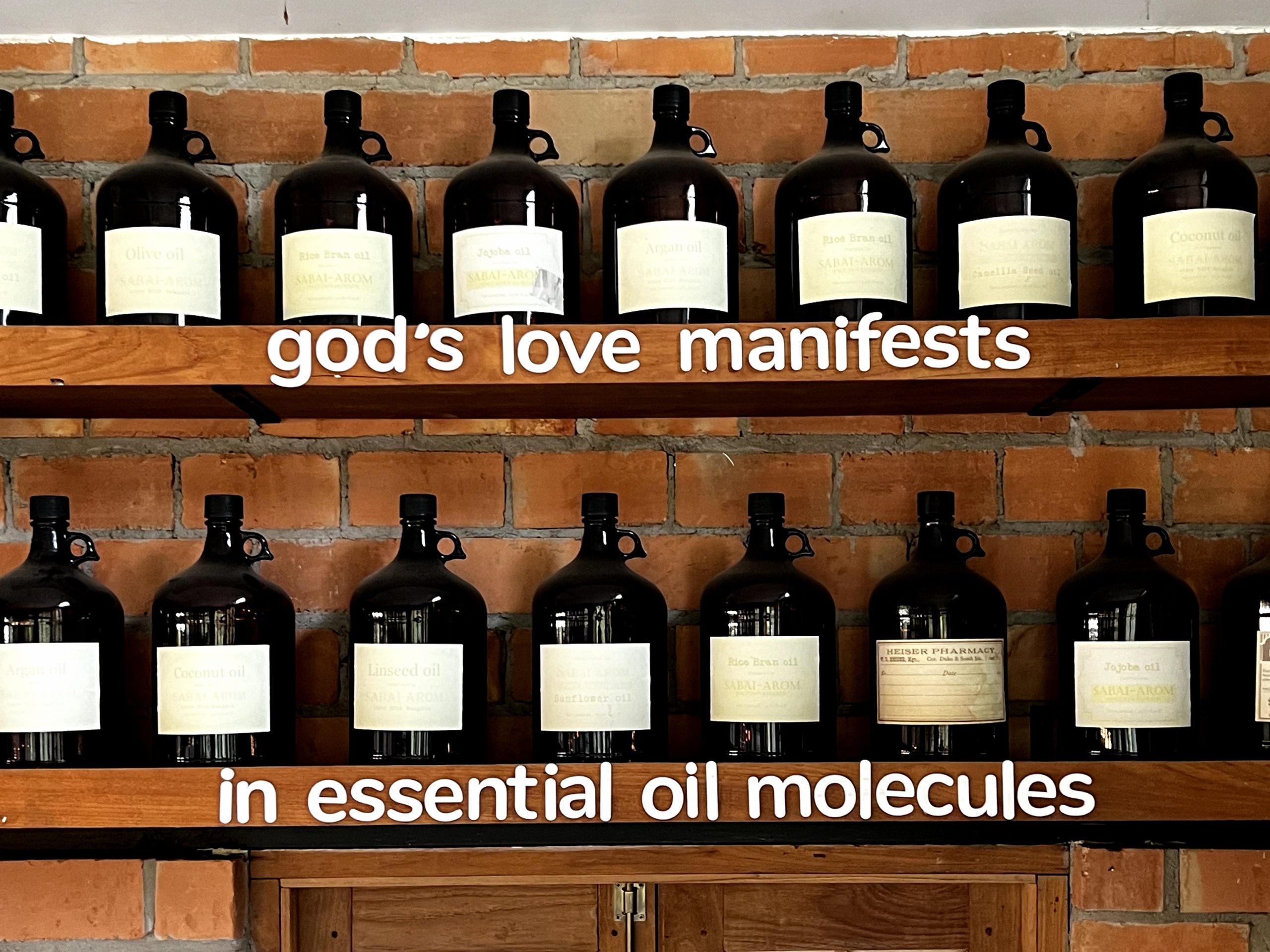
    God’s Love Manifests In Essential Oils Molecules

    The statement “God’s love manifests in essential oil molecules” is a belief held by some people who practice aromatherapy and other forms of natural healing. The idea is that essential oils, which are derived from plants, are a gift from God or the universe and contain the energetic essence of the plant from which they are derived.

    According to this belief, plants are a manifestation of divine energy and contain spiritual properties that can promote healing and well-being. Essential oils are believed to be a concentrated form of this energy, containing the plant’s unique vibrational signature and the essence of God’s love and wisdom.

    When we use essential oils for healing and spiritual purposes, we are tapping into this divine energy and allowing it to work within us. By using essential oils with intention and reverence, we can open ourselves up to the healing power of God’s love and the wisdom of the natural world.

    It’s worth noting that this belief is not necessarily scientific, and not all practitioners of aromatherapy or natural healing hold this view. However, for those who do believe in the spiritual properties of essential oils, it can be a powerful and meaningful way to connect with the natural world and promote healing on a deep level.

  • The Fragrant World of Aromatic Plant Families

    The Fragrant World of Aromatic Plant Families

    In the lush tapestry of the plant kingdom, there exists a captivating realm known for its enchanting scents and distinct personalities—the world of aromatic plant families. These botanical clans encompass a remarkable diversity of species, each bearing its unique fragrance, appearance, and historical significance. As we journey through this aromatic landscape, we will explore several prominent plant families renowned for their aromatic members.

    From the soothing embrace of the mint family’s refreshing herbs to the zesty allure of the citrus family’s fruits, and from the warm embrace of the laurel family’s leaves to the vibrant culinary contributions of the carrot family’s herbs, each plant family reveals its own captivating story. We will uncover the origins, morphology, and favored environments of these aromatic families, shedding light on the natural and cultural heritage that continues to enrich our lives.

    Step into the fragrant world of aromatic plant families, where botanical diversity meets the artistry of scent, and where each family brings its unique charm to the table—both figuratively and literally. Join us on this aromatic journey as we delve into the botanical treasures that have captivated human senses and cultural practices throughout the ages.

    1. Lamiaceae (Mint Family):

    Origins: The Lamiaceae family, commonly known as the mint family, is believed to have originated in the Mediterranean region. It has since spread across the globe.

    Morphology: Lamiaceae plants are characterized by square stems, aromatic leaves with glandular trichomes, and often have tubular flowers. They exhibit a wide range of growth habits, from low-lying ground covers to tall shrubs.

    Environment: Many Lamiaceae species thrive in temperate and subtropical regions. They are often found in sunny, well-drained soils and are known for their drought tolerance. Examples include mint (Mentha spp.), basil (Ocimum basilicum), and rosemary (Rosmarinus officinalis).

    Common Characteristics:Aromatic Leaves: Lamiaceae plants are known for their aromatic leaves, often filled with essential oils that emit fragrant scents.

    Culinary and Medicinal Uses: Herbs like mint, basil, rosemary, and thyme belong to this family and are celebrated for their culinary and medicinal applications.

    Refreshing and Invigorating: The fragrances of mint family herbs are often refreshing, invigorating, and widely used in cooking, teas, and aromatherapy.

    2. Rutaceae (Rue or Citrus Family):

    Origins: The Rutaceae family, known as the citrus family, has its origins in tropical and subtropical regions, particularly in Southeast Asia.

    Morphology: Rutaceae plants are woody shrubs or small trees with aromatic leaves. They produce fragrant flowers, often with five petals, and bear fruits with distinctive oil glands containing essential oils.

    Environment: Citrus trees, a prominent member of this family, thrive in warm, subtropical climates with well-drained soils. They are cultivated in regions such as the Mediterranean, Florida, and California. Other Rutaceae members include rue (Ruta spp.) and kumquat (Fortunella spp.).

    Common Characteristics:Citrus Delights: The Rutaceae family encompasses citrus trees, including oranges, lemons, limes, and grapefruits, known for their zesty and uplifting fragrances.

    Essential Oils: Citrus peels are rich in essential oils, widely used in perfumes, cosmetics, and culinary creations.

    Vibrant and Energizing: The scents from citrus fruits are known for their vibrancy and ability to uplift the spirits.

    3. Asteraceae (Aster or Sunflower Family):

    Origins: The Asteraceae family is widespread and diverse, with origins in various parts of the world, including North America, South America, and Europe.

    Morphology: Asteraceae plants are known for their composite flower heads, which consist of many tiny florets arranged in a central disk surrounded by petals. Aromatic members include chamomile (Matricaria spp.) and feverfew (Tanacetum parthenium).

    Environment: These aromatic plants grow in diverse environments, from meadows to mountain slopes. Chamomile, for example, prefers well-drained soils and is often found in temperate regions.

    Common Characteristics:Soothing Scents: Asteraceae includes aromatic herbs like chamomile, renowned for their soothing and calming fragrances, often used in teas and essential oils.

    Medicinal Uses: Many members of this family have been used in traditional medicine due to their aromatic properties.

    Diverse Aromas: While chamomile exudes a gentle aroma, other Asteraceae plants may offer a range of scents, from earthy to floral.

    4. Lauraceae (Laurel Family):

    Origins: Lauraceae, the laurel family, has origins in tropical and subtropical regions, including parts of Asia, Africa, and the Americas.

    Morphology: Lauraceae members are typically evergreen trees or shrubs with aromatic leaves. They produce small, inconspicuous flowers and bear fruits with single seeds. Bay laurel (Laurus nobilis) and cinnamon (Cinnamomum spp.) are notable examples.

    Environment: Lauraceae plants thrive in warm, humid climates. Bay laurel is native to the Mediterranean region, while cinnamon trees are primarily grown in tropical areas with well-drained soils.

    Common Characteristics:Fragrant Leaves and Bark: Lauraceae includes aromatic trees and shrubs like bay laurel and cinnamon, known for their fragrant leaves and bark.

    Culinary Significance: Bay leaves are used as a culinary herb, imparting a unique aroma to dishes.

    Sweet and Spicy: Cinnamon bark is celebrated for its sweet and spicy fragrance, making it a prized spice in both cooking and perfumery.

    5. Apiaceae (Carrot or Parsley Family):

    Origins: The Apiaceae family has a diverse global distribution, with origins in various regions, including Europe, Asia, and North America.

    Morphology: Aromatic members of the Apiaceae family are characterized by compound umbels, which consist of small flowers arranged in umbrella-like clusters. Plants like parsley (Petroselinum crispum), dill (Anethum graveolens), and cilantro (Coriandrum sativum) belong to this family.

    Environment: These herbs thrive in temperate climates with well-drained soils. They often grow as annuals and prefer full sun to partial shade.

    Common Characteristics:Culinary Delights: Aromatic plants like dill, parsley, and cilantro belong to Apiaceae, appreciated for their culinary seasonings and garnishes.

    Distinct Aromas: Each herb in this family carries a unique aroma, enhancing the flavors of various dishes.

    Versatile Scents: From the freshness of parsley to the pungency of cilantro, Apiaceae herbs cater to diverse culinary preferences.

    6. Myrtaceae (Myrtle Family):

    Origins: The Myrtaceae family is predominantly found in tropical and subtropical regions, with origins in areas such as Australia, Southeast Asia, and South America.

    Morphology: Myrtaceae plants are characterized by aromatic leaves and typically have showy, five-petaled flowers. Notable members include eucalyptus (Eucalyptus spp.), tea tree (Melaleuca spp.), and cloves (Syzygium aromaticum).

    Environment: Eucalyptus trees are iconic in Australia and thrive in diverse environments, from temperate to arid regions. Clove trees prefer tropical climates with well-drained soils. Tea tree species are often found in wetlands and swampy areas.

    Common Characteristics:Aromatic Leaves and Fruits: Myrtaceae includes aromatic plants like eucalyptus, tea tree, and cloves, known for their aromatic leaves and fruits.

    Medicinal and Culinary Uses: Eucalyptus leaves provide essential oils with menthol-like scents used in medicinal products, while cloves offer a warm, spicy aroma for culinary creations.

    These details highlight the origins, morphology, and typical environments of some of the most well-known aromatic plant families. Understanding these characteristics can deepen our appreciation for the diverse world of aromatic herbs, spices, and botanical wonders that have enriched human culture and cuisine for centuries.

  • The Rose: A Tale of Beauty and Symbolism Through the Ages

    The Rose: A Tale of Beauty and Symbolism Through the Ages

    The Rose: A Tale of Beauty and Symbolism Through the Ages

    Tracing the Fascinating History of the Rose, from Ancient Beginnings to Modern Significance

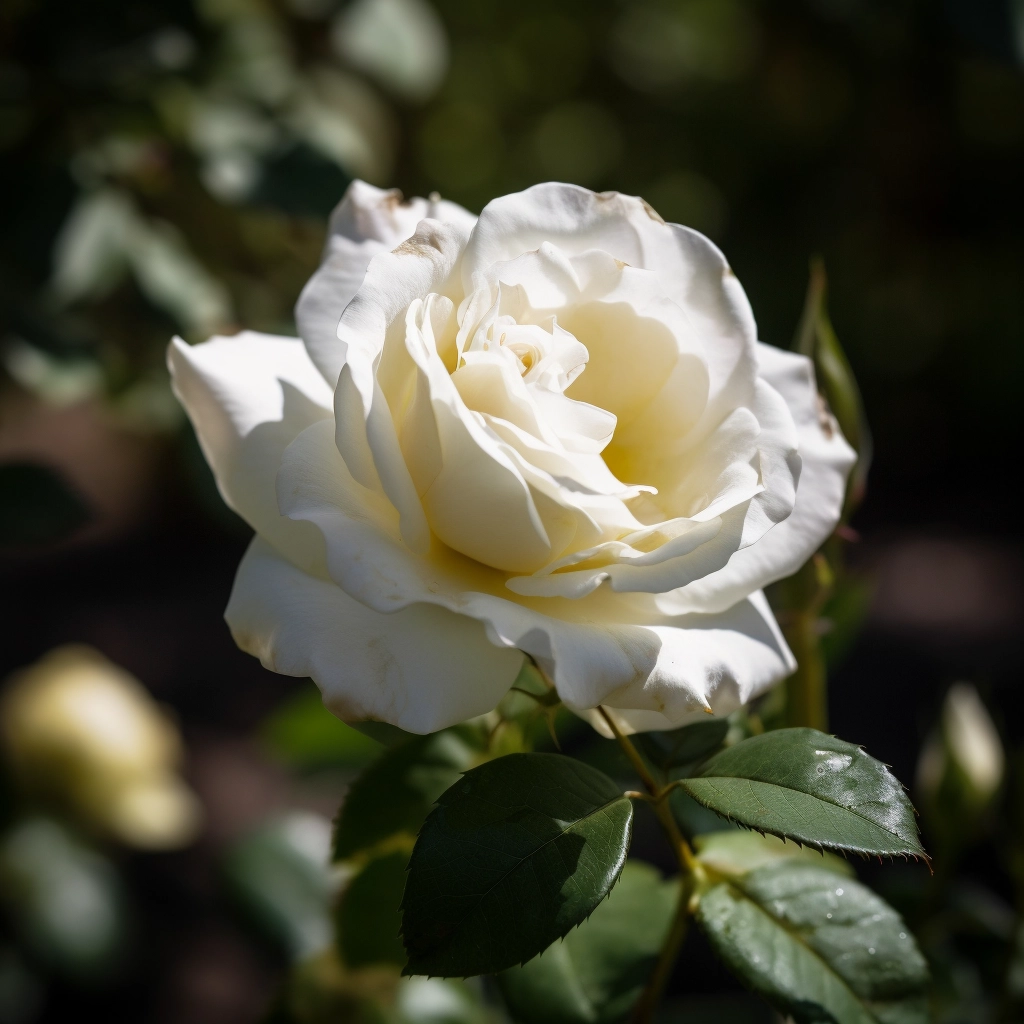
    The rose, often referred to as the “Queen of Flowers,” is a botanical marvel that has enchanted humanity for millennia. Its journey through history is a tale of beauty, symbolism, and enduring fascination, with roots that stretch back to ancient civilizations.

    Ancient Beginnings: The Wild Rose

    The history of the rose begins in the wild, where it originated in regions across Asia, Europe, and North America. Fossil evidence suggests that wild roses have existed for over 35 million years, long before human cultivation.

    Early Cultivation: Rose Gardens of Persia

    The rose’s association with human culture can be traced back to ancient Persia (modern-day Iran), where the cultivation of roses began over 2,500 years ago. Persian gardens, renowned for their beauty and design, often featured roses as a central element. The Persians created rosewater and rose oil, which were used for culinary, medicinal, and cosmetic purposes.

    Ancient Greece and Rome: The Symbol of Love and Beauty

    The Greeks and Romans embraced the rose with fervor. In Greek mythology, the rose was linked to the goddess Aphrodite (Venus in Roman mythology), the goddess of love and beauty. Legend has it that the rose was born from Aphrodite’s tears as they fell to the earth and mixed with her lover Adonis’s blood.

    Roses adorned the halls of feasts, were used in perfumes, and became symbols of love and desire. The Roman poet Virgil mentioned roses in his writings, immortalizing them as symbols of luxury and refinement.

    Medieval Europe: Roses and Royalty

    Roses continued to thrive as symbols of beauty and opulence during the medieval period. The Wars of the Roses in 15th-century England, for example, were named for the red and white roses used as emblems by the warring houses of Lancaster and York.

    The Renaissance: Artistic Flourishing

    During the Renaissance, roses flourished in both art and culture. Painters such as Botticelli and Raphael featured roses in their works, and the rose became a symbol of the Virgin Mary, representing purity and devotion.

    Modern Times: A Global Icon

    In the modern era, the rose has transcended cultures and borders to become a global symbol of love, passion, and elegance. Its fragrance and beauty continue to inspire poets, artists, and gardeners worldwide.

    Rose Varieties and Cultivation

    Today, there are thousands of rose varieties cultivated for their unique colors, fragrances, and forms. Hybrid tea roses, floribundas, and old garden roses are just a few examples. The cultivation and appreciation of roses have evolved into a dedicated horticultural pursuit, with rose gardens and exhibitions celebrated globally.

    Symbolism and Significance

    The rose remains a symbol of love and passion, making it a popular choice for romantic gestures and special occasions. Different colors convey distinct meanings; for instance, red symbolizes love, while white represents purity. Roses are also used as symbols of remembrance and honor.

    The Enduring Appeal of the Rose

    The rose’s history is a testament to its timeless beauty and enduring symbolism. It continues to be cherished for its aesthetic and aromatic qualities, and it holds a special place in cultures around the world. Whether adorning gardens, weddings, or gifts, the rose’s enchanting story is woven into the fabric of human history, a testament to the enduring allure of nature’s most iconic flower.

  • Why How We Use Plants Matters: The Ethics of Working with Essential Oils

    Why How We Use Plants Matters: The Ethics of Working with Essential Oils

    The Ethics of Essence: What it Means to be a Plant’s Ambassador

    In the modern world, we are taught to view nature as a “resource”—something to be harvested, processed, and consumed for our own benefit. We look at an essential oil and see a tool for our health or a scent for our home. But in the Earth School, we learn a different perspective.

    To work with Scent Alchemy is to step into the role of a Plant’s Ambassador. It is a move away from the “Warrior” mindset of conquering nature and toward the “Gardener” mindset of collaborating with it. When we open a bottle of essence, we aren’t just using a product; we are inviting a living intelligence to partner with our own.

    The Intelligence of the Aroma

    A plant does not produce aromatic molecules for our benefit. It produces them for its own survival, communication, and healing.

    Resins are the “scabs” of a tree, created to seal wounds and prevent infection.

    Florals are the plant’s “social frequency,” designed to attract connection and ensure the future.

    Roots are the plant’s “data storage,” anchoring it to the earth and gathering minerals.

    As a Scent Alchemist, I recognize that when we use these oils, we are borrowing the plant’s lived wisdom. If we take that wisdom without respect or recognition, the frequency remains “flat.” But when we approach the plant as an ambassador, we unlock the full depth of its botanical code.

    The Three Pillars of Ambassadorship

    Being an ambassador for the plants means holding a high standard for how these essences are sourced and shared. This is why I focus on three core ethics:

    1. Recognition over Extraction

    We acknowledge that every drop of oil is the “soul” of a plant that lived, breathed, and survived in a specific landscape. We do not treat it as a commodity, but as a guest in our Internal Landscape.

    2. Guarding the Origin

    A plant’s message is only as clear as the soil it grew in. As an ambassador, I am committed to finding “True Nodes”—suppliers and distillers who respect the land and the local communities. If a plant is harvested in a way that creates “trauma” in the garden, that frequency is carried into the oil. We seek the frequency of Harmony.

    3. Translation, Not Decoration

    My role is not to “flavor” your life, but to translate the plant’s message for your nervous system. An ambassador speaks two languages. I speak the language of the plants, and I speak the language of the human soul. My work is to help you hear what the Spiritus Aromatica is saying to you.

    Moving from “Consumer” to “Gardener”

    When you use an oil from this perspective, your entire experience changes. You no longer just “put on a scent.” You enter into a relationship. You begin to tend to your own “Internal Garden” with the same reverence that a gardener tends to the earth.

    Are you ready to meet the plants as partners?

    In our Inner Mapping Sessions, we practice the “Ethics of Essence.” We learn to approach the botanicals not as things to be used, but as mentors to be heard. Together, we find the specific plant allies that are ready to advocate for your growth and stability.

    [Become a Partner with the Garden: Book a Session →]

    You Are Part of a Living Network

    You are not an isolated island; you are like a tree in a vast, interconnected forest. I call this collective space the Digital Garden. Just as one healthy tree helps stabilize the soil for the entire forest, your choice to treat nature with respect and recognition helps stabilize the world around you. When you move from “extraction” to “collaboration,” the frequency of your presence honors the entire network. You aren’t just tending to your own soul; you are tending to our shared garden.