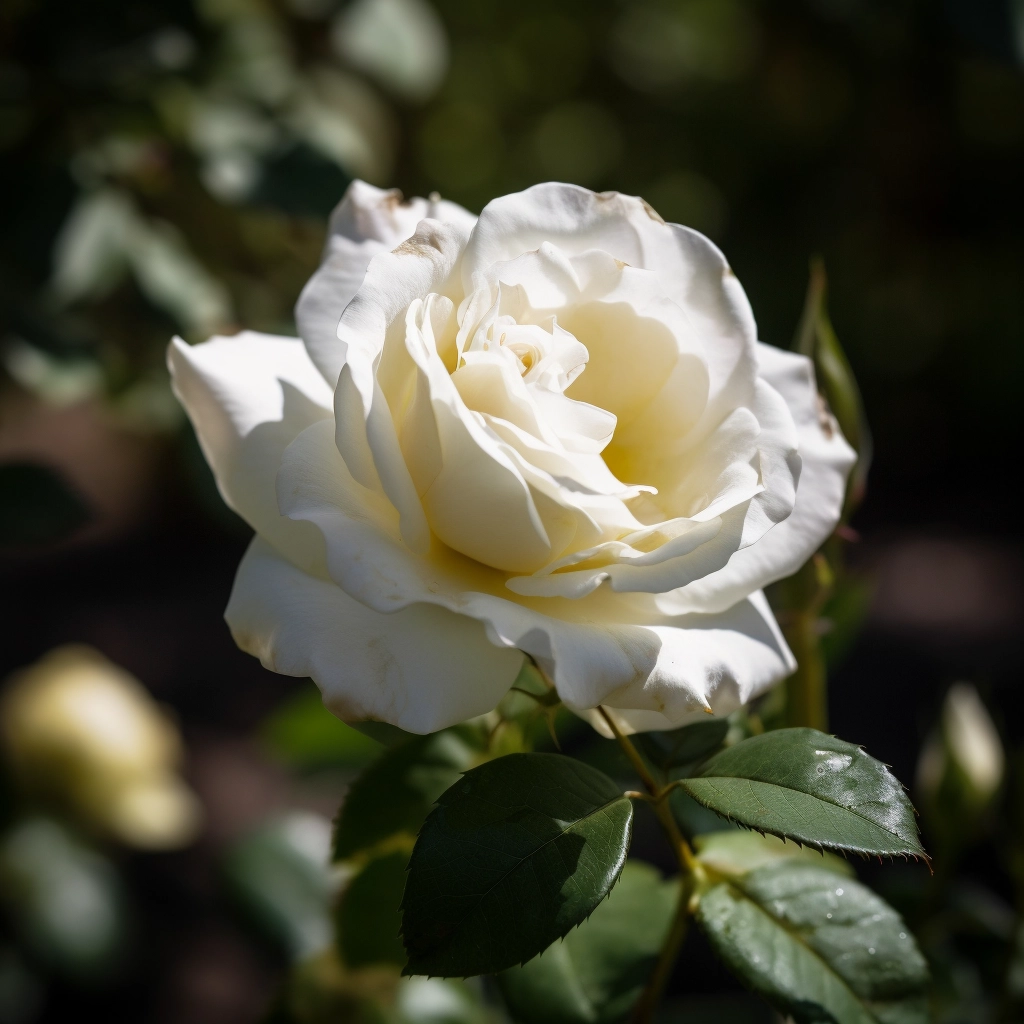
The Rose: A Tale of Beauty and Symbolism Through the Ages
Tracing the Fascinating History of the Rose, from Ancient Beginnings to Modern Significance
The rose, often referred to as the “Queen of Flowers,” is a botanical marvel that has enchanted humanity for millennia. Its journey through history is a tale of beauty, symbolism, and enduring fascination, with roots that stretch back to ancient civilizations.
Ancient Beginnings: The Wild Rose
The history of the rose begins in the wild, where it originated in regions across Asia, Europe, and North America. Fossil evidence suggests that wild roses have existed for over 35 million years, long before human cultivation.
Early Cultivation: Rose Gardens of Persia
The rose’s association with human culture can be traced back to ancient Persia (modern-day Iran), where the cultivation of roses began over 2,500 years ago. Persian gardens, renowned for their beauty and design, often featured roses as a central element. The Persians created rosewater and rose oil, which were used for culinary, medicinal, and cosmetic purposes.
Ancient Greece and Rome: The Symbol of Love and Beauty
The Greeks and Romans embraced the rose with fervor. In Greek mythology, the rose was linked to the goddess Aphrodite (Venus in Roman mythology), the goddess of love and beauty. Legend has it that the rose was born from Aphrodite’s tears as they fell to the earth and mixed with her lover Adonis’s blood.
Roses adorned the halls of feasts, were used in perfumes, and became symbols of love and desire. The Roman poet Virgil mentioned roses in his writings, immortalizing them as symbols of luxury and refinement.
Medieval Europe: Roses and Royalty
Roses continued to thrive as symbols of beauty and opulence during the medieval period. The Wars of the Roses in 15th-century England, for example, were named for the red and white roses used as emblems by the warring houses of Lancaster and York.
The Renaissance: Artistic Flourishing
During the Renaissance, roses flourished in both art and culture. Painters such as Botticelli and Raphael featured roses in their works, and the rose became a symbol of the Virgin Mary, representing purity and devotion.
Modern Times: A Global Icon
In the modern era, the rose has transcended cultures and borders to become a global symbol of love, passion, and elegance. Its fragrance and beauty continue to inspire poets, artists, and gardeners worldwide.
Rose Varieties and Cultivation
Today, there are thousands of rose varieties cultivated for their unique colors, fragrances, and forms. Hybrid tea roses, floribundas, and old garden roses are just a few examples. The cultivation and appreciation of roses have evolved into a dedicated horticultural pursuit, with rose gardens and exhibitions celebrated globally.
Symbolism and Significance
The rose remains a symbol of love and passion, making it a popular choice for romantic gestures and special occasions. Different colors convey distinct meanings; for instance, red symbolizes love, while white represents purity. Roses are also used as symbols of remembrance and honor.
The Enduring Appeal of the Rose
The rose’s history is a testament to its timeless beauty and enduring symbolism. It continues to be cherished for its aesthetic and aromatic qualities, and it holds a special place in cultures around the world. Whether adorning gardens, weddings, or gifts, the rose’s enchanting story is woven into the fabric of human history, a testament to the enduring allure of nature’s most iconic flower.