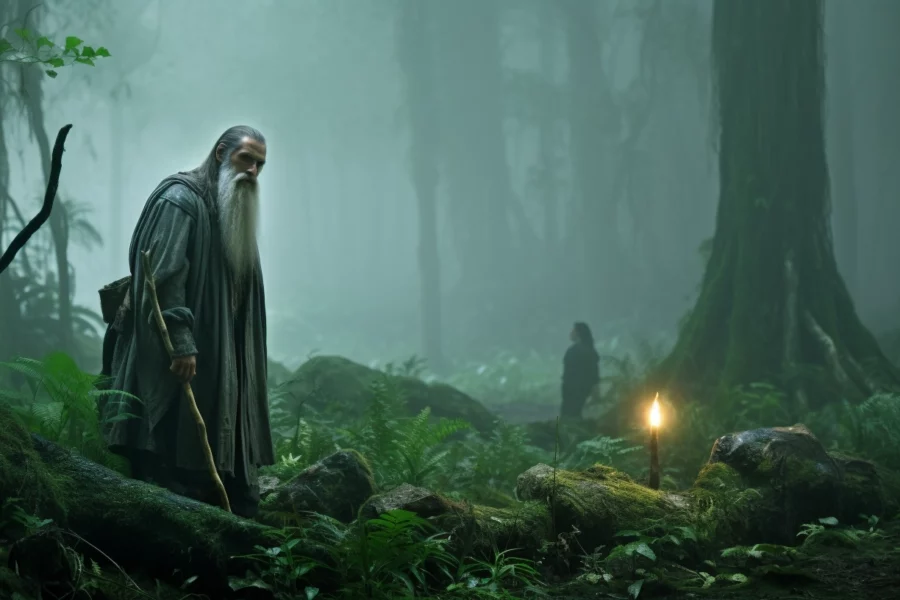
The use of scent in rituals and traditions surrounding death, funerals, and the crossing over of the deceased is a practice deeply rooted in various cultures and religions across the world. Scent plays a significant role in these rituals, serving as a means to honor, comfort, and spiritually guide both the living and the departed.
Incense and Aromatics in Rituals
Incense has been a common element in death and funeral rituals for centuries. The burning of incense serves several purposes:Purification: Incense is believed to purify the space where the deceased is laid to rest or where memorial ceremonies are held. It cleanses the atmosphere, removing negative energies and creating a spiritually conducive environment.
Communication: In many cultures, the smoke from incense is seen as a medium through which prayers and messages can be sent to the departed. It symbolizes a connection between the physical world and the spiritual realm.
Comfort: The fragrance of incense can provide solace and comfort to grieving family members and friends. It is thought to ease emotional pain and offer a sense of peace.
Guidance: In some belief systems, incense is used to guide the soul of the deceased to the afterlife. The scent is believed to act as a beacon, helping the soul navigate its journey.
Specific Scents and Their Meanings
The choice of incense or aromatic herbs can vary depending on cultural and religious traditions. Here are a few examples:Sandalwood: Commonly used in Hindu and Buddhist funerals, sandalwood incense is known for its calming and purifying properties. It is believed to aid in the soul’s transition to the afterlife.
Myrrh and Frankincense: These resins have been used in various religious traditions, including Christianity. They symbolize offerings to deities and can also represent the gifts of the Magi to the baby Jesus.
Lavender: In some Western cultures, lavender is associated with funerals and memorial services. Its calming aroma is thought to bring peace and tranquility to the mourners.
Benzoin: Often used in Islamic funeral rites, benzoin resin is believed to purify the body and create a sacred atmosphere during the ritual washing of the deceased.
Juniper and Cedar: These fragrances are used by some Native American tribes in purification ceremonies. They are believed to help cleanse the spirit and guide it to the spirit world.
Personalized and Cultural Variations
While there are commonalities in the use of scent in death rituals, there are also numerous personalized and culturally specific variations. Some cultures may use local flowers, herbs, or other fragrant materials to create unique rituals that reflect their beliefs and customs.
In essence, scent serves as a bridge between the physical and spiritual realms during times of loss and mourning. It offers comfort, guidance, and a means of honoring and remembering the departed. Regardless of cultural or religious differences, the use of scent in rituals surrounding death underscores the universal human need to navigate the profound mysteries of life, death, and the afterlife with reverence and compassion.