หมวดหมู่: Frequency and Consciousness

  • Scent and the Reprogramming of the Mind

    Scent and the Reprogramming of the Mind

    Unlocking the Power of Fragrance to Reshape Thoughts, Emotions, and Behavior

    The human mind is a complex labyrinth of thoughts, memories, and emotions, constantly influenced by external stimuli. Among these stimuli, scent stands out as a potent and often overlooked force. It has the remarkable ability to not only evoke memories but also reprogram the mind, forging new pathways toward personal growth and self-transformation. Welcome to the world of aromatic psychology—a journey into the profound relationship between scent and the reprogramming of the mind.

    The Scent-Mind Connection

    Our sense of smell is intricately linked to the brain’s limbic system, which governs emotions, memories, and behaviors. When we encounter a particular scent, it can trigger a cascade of neural responses, often leading to vivid memories and emotional reactions. This connection provides a unique opportunity for scent to be used as a tool for reprogramming the mind.

    Unearthing Emotional Memories

    One of the most remarkable aspects of scent is its ability to unearth deeply buried emotional memories. A simple whiff of a familiar fragrance can transport us back in time, allowing us to relive moments and emotions long forgotten. By harnessing this power, aromatic psychology aims to heal emotional wounds, release pent-up trauma, and promote personal growth.

    Positive Associations and Behavioral Change

    Scent has the potential to create positive associations in our minds. For example, if a particular fragrance is consistently paired with a sense of calm and relaxation, it can become an anchor for those emotions. This conditioning can be harnessed to reprogram the mind, enabling individuals to manage stress, reduce anxiety, and foster more positive thought patterns.

    The Role of Aromatherapy in Mind Reprogramming

    Aromatherapy, a practice that utilizes the therapeutic properties of essential oils, plays a pivotal role in aromatic psychology. Essential oils, derived from aromatic plants, contain complex chemical compounds that interact with the brain when inhaled or applied topically. Different oils have unique effects on mood, cognition, and emotion, making them valuable tools for reprogramming the mind.

    Crafting Personalized Mind Reprogramming Rituals

    To use scent for mind reprogramming, individuals can craft personalized rituals that incorporate aromatherapy. These rituals may include creating a serene environment with calming scents for meditation or using invigorating fragrances to boost focus and motivation during work or study. Over time, these intentional practices can reshape thought patterns and emotional responses.

    Unlocking Personal Growth and Transformation

    The power of scent in mind reprogramming extends to personal growth and self-transformation. By consciously selecting and utilizing fragrances that resonate with their goals, individuals can embark on journeys of self-discovery and self-improvement. Scent becomes a guiding force, helping them overcome obstacles, enhance self-esteem, and cultivate inner strength.

    Embrace the Aromatic Path to Personal Transformation

    As we navigate the complexities of the mind, it’s essential to recognize the profound impact scent can have on our thoughts, emotions, and behaviors. Aromatic psychology and aromatherapy offer us a doorway into this world of mind reprogramming, enabling us to unlock personal growth and transformation.

    Whether you seek to overcome limiting beliefs, manage stress, or foster a greater sense of well-being, scent can be a trusted ally on your journey. Embrace the aromatic path to personal transformation and let the power of fragrance guide you toward a more enriched and fulfilled life.

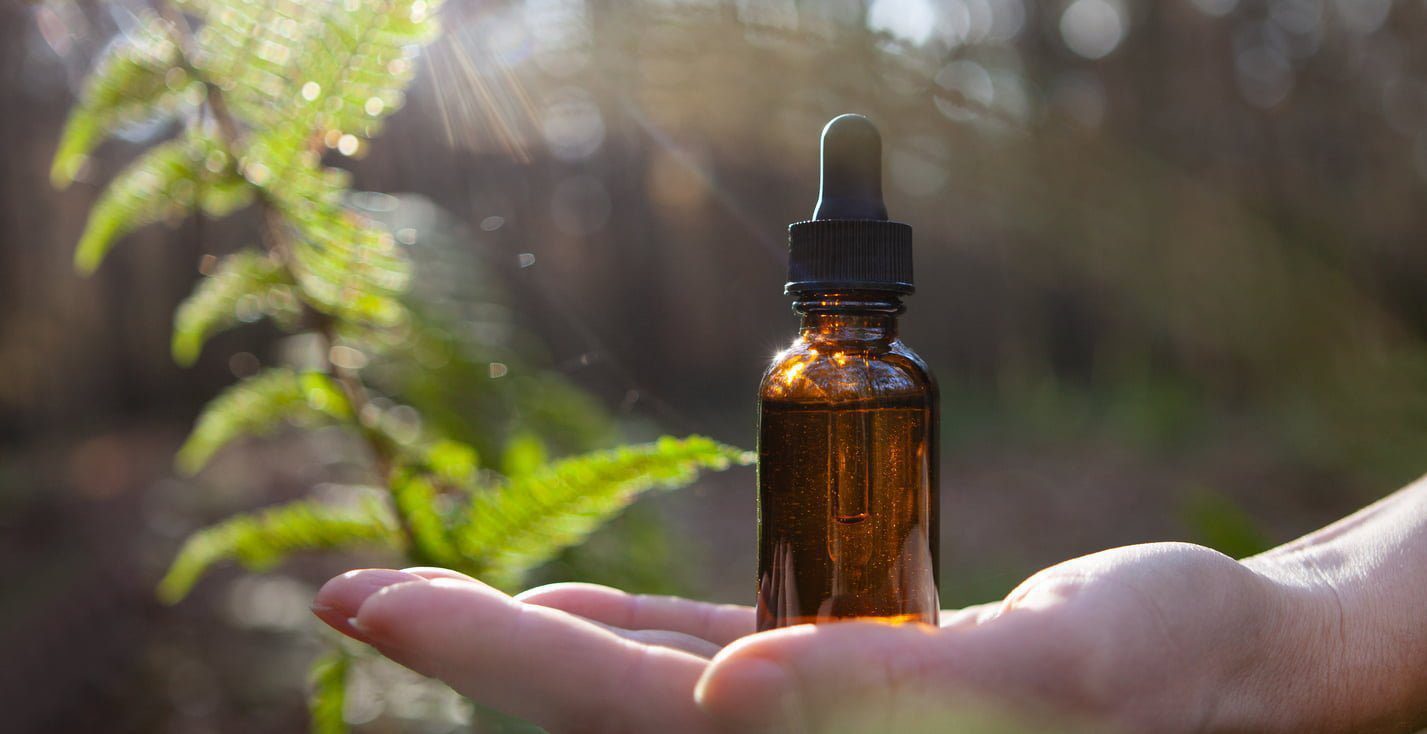
  • How Essential Oils Affect Our Imagination And Visualization ?

    How Essential Oils Affect Our Imagination And Visualization ?

    Essential oils are believed to have a range of effects on the mind and body, including the ability to enhance imagination and visualization. Many people find that inhaling certain essential oils can help them relax, focus, and tap into their creative or imaginative abilities.

    One of the ways that essential oils may help enhance imagination and visualization is through their effects on the limbic system of the brain. The limbic system is responsible for regulating emotions, memories, and behavior, and is closely connected to the olfactory system, which is responsible for our sense of smell. When we inhale essential oils, they can stimulate the olfactory nerves and travel directly to the limbic system, where they can affect our emotional and cognitive states.

    Some essential oils are believed to have specific effects on imagination and visualization. For example, frankincense essential oil is often used in meditation practices and is believed to have a calming effect that can help enhance focus and visualization. Lavender essential oil is also known for its calming effects and is believed to help reduce anxiety and enhance relaxation, which can be helpful for accessing the imagination.

    Other essential oils that are commonly used for enhancing imagination and visualization include peppermint, lemon, and rosemary, all of which are believed to have energizing effects that can help boost creativity and mental clarity.

    It’s important to note that the effects of essential oils on imagination and visualization may vary from person to person, and that more research is needed to fully understand the relationship between essential oils and the mind.

  • How Essential Oils Help Emotional Healing?

    How Essential Oils Help Emotional Healing?

    Essential oils are believed to have a range of therapeutic properties that can help support emotional healing. Many people find that inhaling or using essential oils topically can help them relax, reduce stress, and enhance their mood.

    One way that essential oils may help with emotional healing is through their effects on the limbic system of the brain. The limbic system is responsible for regulating emotions, memories, and behavior, and is closely connected to the olfactory system, which is responsible for our sense of smell. When we inhale essential oils, they can stimulate the olfactory nerves and travel directly to the limbic system, where they can affect our emotional states.

    Different essential oils have different therapeutic properties that can be helpful for emotional healing. For example, lavender essential oil is often used for its calming and relaxing effects, and is believed to be helpful for reducing anxiety and promoting a sense of peace and tranquility. Rose essential oil is often used for its uplifting and mood-enhancing effects, and is believed to be helpful for promoting feelings of joy and happiness.

    Other essential oils that are commonly used for emotional healing include bergamot, frankincense, chamomile, and ylang-ylang, among others. It’s important to note that the effects of essential oils on emotional healing may vary from person to person, and that more research is needed to fully understand the relationship between essential oils and emotional health.

    It’s also important to use essential oils safely and to seek the advice of a qualified healthcare professional before using them for emotional healing purposes, especially if you have any underlying medical conditions or are taking medications.

  • What Is The Relationship Between Vibrational Energy And Psychic Ability?

    What Is The Relationship Between Vibrational Energy And Psychic Ability?

    There are some beliefs in certain spiritual and metaphysical traditions that suggest a relationship between vibrational energy and psychic ability. According to these beliefs, individuals who have a high level of vibrational energy may be more sensitive to psychic phenomena and may be able to access higher levels of consciousness or spiritual awareness.

    The idea is that everything in the universe, including human beings, is made up of energy that vibrates at different frequencies. Some people believe that individuals with a higher vibrational frequency are more in tune with the spiritual realm and may be more receptive to psychic experiences.

    While there is no scientific evidence to support these claims, some people believe that certain practices, such as meditation, prayer, or energy healing, can help raise an individual’s vibrational frequency and enhance their psychic abilities. Additionally, some people believe that working with certain crystals or essential oils can help balance and raise the vibrational frequency of the body and enhance psychic abilities.

  • How Essential Oils Stimulate Pineal And Pituitary Glands?

    How Essential Oils Stimulate Pineal And Pituitary Glands?

    Essential oils can stimulate the pineal and pituitary glands in several ways :

    { Inhalation }

    When we inhale essential oils, their aroma molecules enter the nasal passages and stimulate the olfactory nerves. These nerves are connected to the limbic system in the brain, which includes the pineal and pituitary glands. The limbic system is responsible for regulating emotions, memories, and the autonomic nervous system. By inhaling essential oils, we can stimulate the limbic system and promote relaxation, stress reduction, and other beneficial effects.

    { Transdermal Absorption }

    Essential oils can also be absorbed through the skin and into the bloodstream, where they can travel to the pineal and pituitary glands. When essential oils are applied topically, their molecules can penetrate the skin and enter the bloodstream, where they can influence the body and mind.

    { Vibrational Energy }

    Essential oils are believed to have a unique vibrational energy that can resonate with the body’s energy field. This energy can stimulate the pineal and pituitary glands and promote balance and harmony in the body and mind.

    By stimulating the pineal and pituitary glands in these ways, essential oils can promote relaxation, emotional balance, and spiritual growth. They can also help to regulate the body’s circadian rhythms, promote healthy sleep patterns, and support overall health and well-being.

  • What Is The Effect Of Essential Oils On Our Mind?

    What Is The Effect Of Essential Oils On Our Mind?

    Essential oils have a profound effect on the mind due to their ability to interact with the limbic system, which is the part of the brain responsible for emotions, memories, and behaviors. When we inhale the aroma of essential oils, the molecules travel through the olfactory system and directly stimulate the limbic system, triggering emotional and psychological responses.

    Different essential oils have unique chemical compositions that can elicit specific effects on the mind. For example, lavender oil is known for its calming and soothing properties, helping to reduce stress and promote relaxation. On the other hand, citrus oils like lemon and bergamot are uplifting and energizing, enhancing focus and concentration.

    Essential oils can influence mood, enhance cognitive function, and even promote a sense of well-being. They can help alleviate anxiety, uplift the spirit, improve mental clarity, and support emotional balance. The aromatic compounds in essential oils have the power to evoke memories, evoke emotions, and create a sense of calm or invigoration.

    Overall, the effect of essential oils on the mind is a result of their ability to interact with the brain’s limbic system and influence our emotional and psychological states.

  • How To Measure The Vibrational Energy Of Essential Oils ?

    How To Measure The Vibrational Energy Of Essential Oils ?

    We can measure the vibrational energy of essential oils using a technique called vibrational spectroscopy. This technique involves measuring the absorption or scattering of light by molecules in a sample as a function of frequency. The resulting spectrum provides information about the vibrational energy levels of the molecules in the sample.

    In particular, infrared spectroscopy is a widely used technique for analyzing the vibrational properties of molecules in essential oils. In this method, the sample is irradiated with infrared radiation, which excites the vibrational modes of the molecules. The resulting absorption spectrum can be used to identify the functional groups present in the sample, as well as to quantify the relative amounts of different components.

    Other vibrational spectroscopy techniques that can be used to analyze essential oils include Raman spectroscopy, terahertz spectroscopy, and far-infrared spectroscopy. Each of these methods has its own strengths and limitations, and the choice of technique depends on the specific properties of the sample and the information that is needed. Overall, vibrational spectroscopy provides a powerful tool for analyzing the vibrational energy of essential oils and other complex mixtures of organic molecules.

    Here are some examples of essential oils and their approximate frequency levels in hertz (Hz):

    Peppermint – 78-92 Hz

    Lavender – 118-122 Hz

    Frankincense – 147-155 Hz

    Lemon – 72-75 Hz

    Eucalyptus – 52-62 Hz

    Tea Tree – 48-60 Hz

    Rose – 320 Hz

    Orange – 38-48 Hz

    Ylang Ylang – 122-140 Hz

    Bergamot – 107 Hz

    Cedarwood – 52 Hz

    Chamomile – 105 Hz

    Cinnamon – 55 Hz

    Clove – 178 Hz

    Geranium – 52 Hz

    Ginger – 52 Hz

    Juniper – 98 Hz

    Myrrh – 105 Hz

    Patchouli – 58 Hz

    Sandalwood – 96 Hz

    Rosemary – 82-92 Hz

    Jasmine – 108-120 Hz

    Clary Sage – 140 Hz

    Thyme – 67-75 Hz

  • Why Do Essential Oils Help As A Tool For Expanding Consciousness?

    Why Do Essential Oils Help As A Tool For Expanding Consciousness?

    Essential oils are believed to have mind-altering properties due to their ability to interact with the limbic system, which is the part of the brain that is responsible for emotions, memories, and behavior. When essential oils are inhaled or applied to the skin, they can enter the bloodstream and travel to the brain, where they can stimulate the limbic system and produce a range of effects.

    One way in which essential oils can alter the mind is by inducing relaxation and reducing stress and anxiety. Oils like lavender, chamomile, and ylang-ylang are believed to have calming effects on the nervous system, and can promote feelings of relaxation and wellbeing.

    Essential oils can also be used to stimulate the mind and promote mental clarity and focus. Oils like peppermint, rosemary, and lemon are believed to have stimulating effects on the brain, and can help improve cognitive function and memory.

    Finally, essential oils can also have mood-boosting effects, and can be used to promote feelings of happiness and positivity. Oils like bergamot, jasmine, and orange are believed to have uplifting effects on the mood, and can be used to combat feelings of depression and low mood.

    Overall, essential oils can be a powerful tool for altering the mind and promoting a range of emotional and cognitive states. However, it’s important to note that individual responses to essential oils can vary.

  • Essential Oils for Spirituality

    Essential Oils for Spirituality

    Essential oils are often used as effective mind-altering tools.

    In meditation and prayer they can help create a sense of peace, relaxation, enhance the mental ability to focus and gain clarity.

    Each essential oil has different spiritual properties, based on their unique vibrational energy. For example, Frankincense essential oil is often associated with spiritual purification and is commonly used in meditation and spiritual rituals, while Rose essential oil is associated with love and is often used to promote a sense of connection and compassion.

    The spiritual properties of essential oils refer to their potential to affect the energetic or spiritual aspects of a person’s being, such as their emotions, thoughts, and spiritual well-being. These properties are often based on the belief that essential oils have a subtle energy or vibrational quality that can influence a person’s energy field or aura.

    While their spiritual properties are based on metaphysical or spiritual beliefs rather than scientific evidence, there are strong evidences support that ;

    Essential oils have been used in religious rituals and ceremonies and for spiritual and healing purposes for thousands of years in various cultures around the world.

    Many of these ancient cultures believed that essential oils carry the light of consciousness and can help connect to the angelic realms.

    In egypt, essential oils like myrrh and cedarwood were also used in the process of embalming mummies. These oils were believed to have antibacterial properties that helped preserve the body, and their fragrances were thought to help guide the deceased to the afterlife. In the Bible, Frankincense and Myrrh were used as gifts for the baby Jesus and were believed to have spiritual significance. In Hinduism, essential oils such as Sandalwood and Rose are used in spiritual practices such as puja, meditation, and yoga.

    Essential oils are widely used by the vibrational healing practitioners.

    It is proven that essential oils contain high vibrational energy.

    Therefore, they have been used to help balance and harmonize the energy centers in the body, such as the chakras or meridians, therefore, they have been used widely in energy healing and can help to raise or lower vibrational frequency of persons.

  • How Essential Oils Assist In The Alchemical Processes of Transformation

    How Essential Oils Assist In The Alchemical Processes of Transformation

    Essential oils can be a powerful tool for supporting us through the different stages of the alchemical process of self-transformation. Here are some ways you can use essential oils to support you in each stage:

    1.Calcination

    During this stage, essential oils that have a grounding and calming effect can be helpful. These oils can help to calm the mind, ease anxiety, and promote a sense of stability during times of challenge.

    2.Dissolution

    Essential oils that have a purifying and cleansing effect can be beneficial during this stage. These oils can help to clear negative energy and promote mental clarity, making it easier to let go of old patterns and beliefs.

    3.Separation

    During this stage, essential oils that help to promote self-confidence and assertiveness can be helpful. These oils can help to boost self-esteem and encourage us to stand up for ourselves and our values.

    4.Conjunction

    Essential oils that have a harmonizing and balancing effect can be beneficial during this stage. These oils can help to promote feelings of peace and unity, making it easier to connect with others and build deeper relationships.

    5.Fermentation

    During this stage, essential oils that have a creative and stimulating effect can be helpful. These oils can help to stimulate the mind and promote a sense of curiosity and playfulness, making it easier to explore new ideas and ways of being.

    6.Distillation

    Essential oils that have a grounding and centering effect can be beneficial during this stage. These oils can help to promote inner peace and clarity, making it easier to focus on our goals and aspirations.

    7.Coagulation

    During this stage, essential oils that have a manifesting and empowering effect can be helpful. These oils can help to promote a sense of confidence and empowerment, making it easier to take practical steps towards achieving our dreams and goals.

    Overall, using essential oils can be a helpful way to support ourselves during the alchemical process of self-transformation. By choosing oils that are aligned with the different stages of the process, we can create a supportive and nurturing environment for our personal growth and development.

  • Why Can Essential Oils Transform Us?

    Why Can Essential Oils Transform Us?

    Essential oils can be seen as the spirit of the plant, each oil carrying the unique personality and characteristics of its source. Just as each person has their own individual personality and traits, each essential oil has its own distinct energy and healing properties. This is why choosing the suitable essential oils tailored for specific needs and conditions is important, as different oils can have different effects on the mind, body, and spirit.

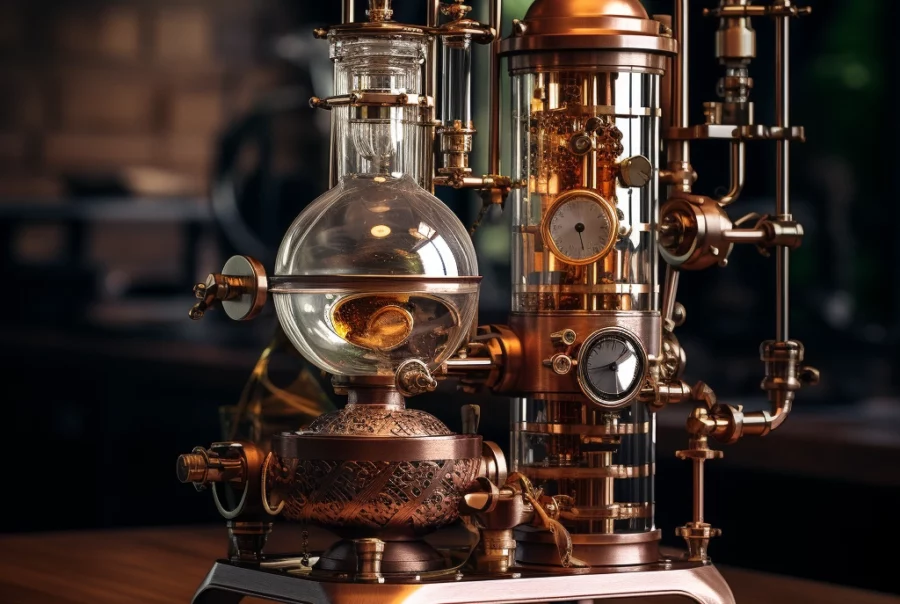
    The distillation process of essential oils can be compared to the alchemy of the soul process, which is the process of spiritual transformation of us , where the plant’s physical form is transformed into a potent essence that can be used for healing and transformation. This process involves heating and cooling the plant material to extract its essential oil, separating it from the water and other plant components. This process is not only a physical transformation, but also a spiritual one, as the plant’s spirit is captured in the oil.

    By using essential oils in combination with other transformative practices like meditation, sound healing, and visual imagination, we can create a powerful synergy that supports us on our journey of self-discovery and transformation. This can help us to deepen our connection to ourselves, release emotional blockages, and access deeper levels of consciousness.

    At Odorami, we believe that everyone has the power to transform their lives and connect with their true essence. We invite you to explore our range of essential oils and transformative practices, and to join us on this journey of self-discovery and transformation.

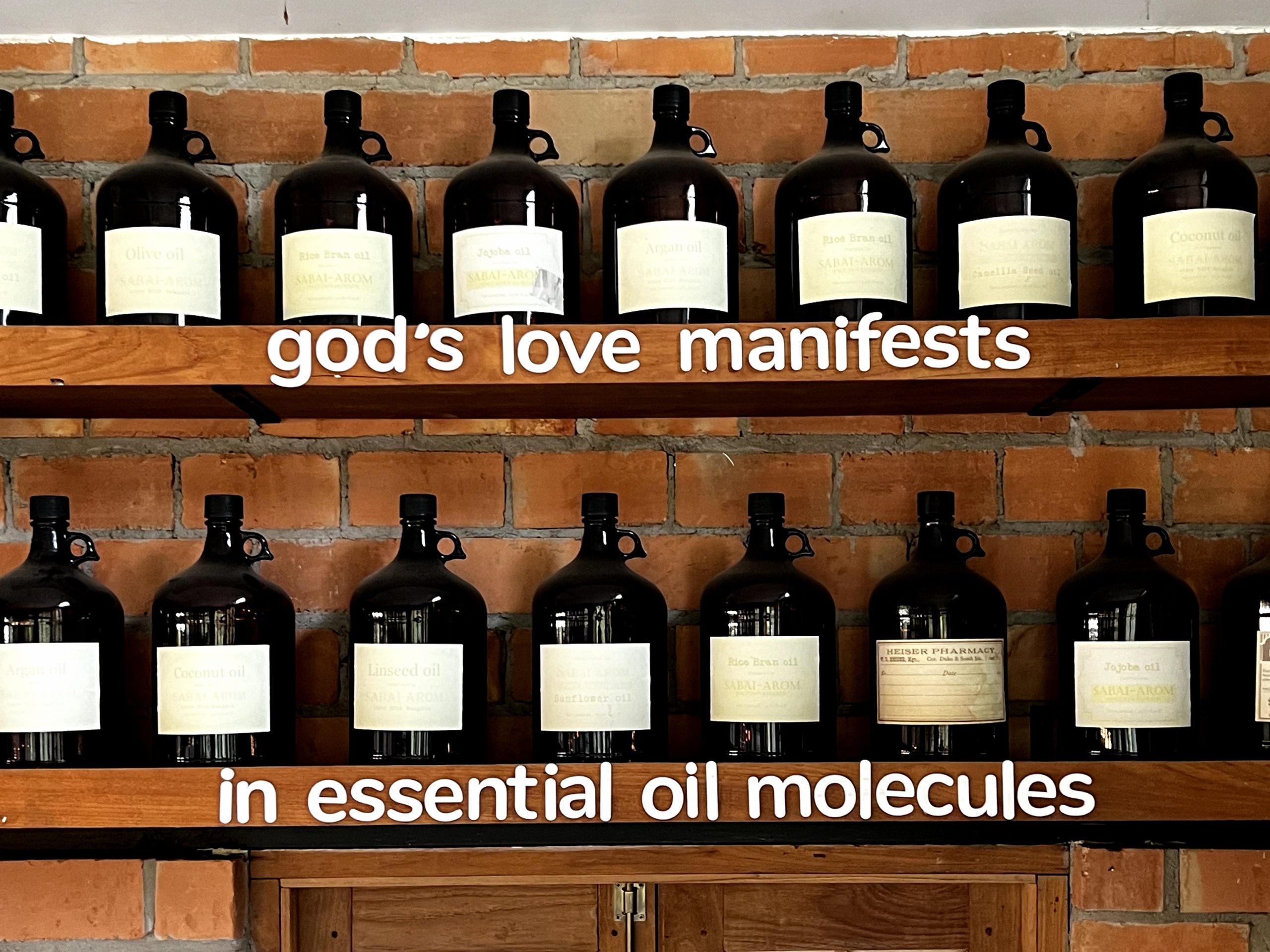
    “ God’s love manifests in essential oil’s molecules “

  • Do Plants Have Consciousness?

    Do Plants Have Consciousness?

    The concept of plant spirit or consciousness refers to the belief that plants, including those used for essential oils, have a kind of consciousness or spiritual essence that can be accessed through certain practices, such as shamanic journeying, meditation, or prayer.

    According to some indigenous and traditional healing systems, such as those found in South America and Africa, plants are believed to have their own spiritual intelligence and consciousness, and can offer guidance, wisdom, and healing to those who seek their help. These healing systems often use plant medicines, including essential oils, to help people connect with the plant spirit and receive their guidance and healing.

    In more modern practices, some people believe that essential oils can help connect us to the spirit or consciousness of the plant, and that this connection can offer therapeutic benefits, including emotional healing, spiritual growth, and personal transformation. Some people use essential oils in meditation or other spiritual practices to help them connect with the plant spirit and receive its guidance and healing.

    As of now, the concept of plant spirit or consciousness is still a matter of debate within the scientific community, and there is little empirical evidence to support these beliefs. However, many people find value in these practices and beliefs, and may use essential oils as a tool for spiritual growth and healing. As with any alternative or complementary therapy, it’s important to use essential oils safely and to seek the advice of a qualified healthcare professional before using them for spiritual purposes.

  • God’s Love Manifested In the Molecules of Essential Oils

    God’s Love Manifested In the Molecules of Essential Oils

    God’s Love Manifests In Essential Oils Molecules

    The statement “God’s love manifests in essential oil molecules” is a belief held by some people who practice aromatherapy and other forms of natural healing. The idea is that essential oils, which are derived from plants, are a gift from God or the universe and contain the energetic essence of the plant from which they are derived.

    According to this belief, plants are a manifestation of divine energy and contain spiritual properties that can promote healing and well-being. Essential oils are believed to be a concentrated form of this energy, containing the plant’s unique vibrational signature and the essence of God’s love and wisdom.

    When we use essential oils for healing and spiritual purposes, we are tapping into this divine energy and allowing it to work within us. By using essential oils with intention and reverence, we can open ourselves up to the healing power of God’s love and the wisdom of the natural world.

    It’s worth noting that this belief is not necessarily scientific, and not all practitioners of aromatherapy or natural healing hold this view. However, for those who do believe in the spiritual properties of essential oils, it can be a powerful and meaningful way to connect with the natural world and promote healing on a deep level.

  • What Is The Role Of The Pineal And Pituitary Glands?

    What Is The Role Of The Pineal And Pituitary Glands?

    The pineal gland, often referred to as the “third eye,” is located deep within the brain.

    It is responsible for producing melatonin, a hormone that regulates sleep-wake cycles. In spiritual traditions, the pineal gland is associated with intuition, inner vision, and spiritual awareness. It is believed to be a gateway to higher states of consciousness and spiritual experiences. Some refer to it as the seat of the soul or the connection point between the physical and spiritual realms.

    The pituitary gland, also known as the “master gland,” is located at the base of the brain. It produces and releases various hormones that regulate important bodily functions, including growth, metabolism, and reproduction.

    In spiritual contexts, the pituitary gland is considered to be associated with higher knowledge, wisdom, and spiritual insight. It is seen as a center of spiritual awakening and transformation.

    Both the pineal and pituitary glands are believed to be highly sensitive to energy and vibration. They are considered to be key centers in the body that facilitate the reception and integration of spiritual experiences and higher levels of consciousness. Activation and harmonization of these glands are often sought after in spiritual practices to enhance intuition, expand awareness, and deepen the spiritual connection.

    It is important to note that while there is much interest and speculation about the role of the pineal and pituitary glands in spirituality, scientific research is still ongoing to fully understand their functions and their connections to spiritual experiences.