ป้ายกำกับ: vibrational-medicine

  • Why We Call It Scent Alchemy: And Why It Changes Everything

    Why We Call It Scent Alchemy: And Why It Changes Everything

    Scent Alchemy: Transforming Mind, Body, and Spirit

    Scent Alchemy is a powerful practice based on the principles of aromatherapy. It involves the use of essential oils to promote overall well-being, but takes it one step further by incorporating the spiritual and metaphysical properties of these oils to create positive changes in the mind, body, and spirit.

    The Power of Alchemy

    The term “alchemy” is used because it suggests the transformation of one substance into another, which is similar to the way that essential oils can transform our mood and emotions. The idea is that the combination of different scents can create a new and more potent substance that has a powerful effect on our consciousness.

    The Four Alchemical Processes of Scent Alchemy

    Alchemy is an ancient philosophical and metaphysical tradition that aims to transform and perfect matter, both physically and spiritually. In the context of scent alchemy, the entire process starts from nature and takes multiple alchemical processes. Each process builds upon the previous one and requires different skills, knowledge, and tools to achieve the desired result.

    Scent Alchemy involves four alchemical processes.

    Process#1 The Creation of Aromatic Compounds

    The first process involves the creation of aromatic compounds by plants. These compounds reflect the unique vibrational energetic profile of each plant.

    Process #2 The Distillation of Essential Oils

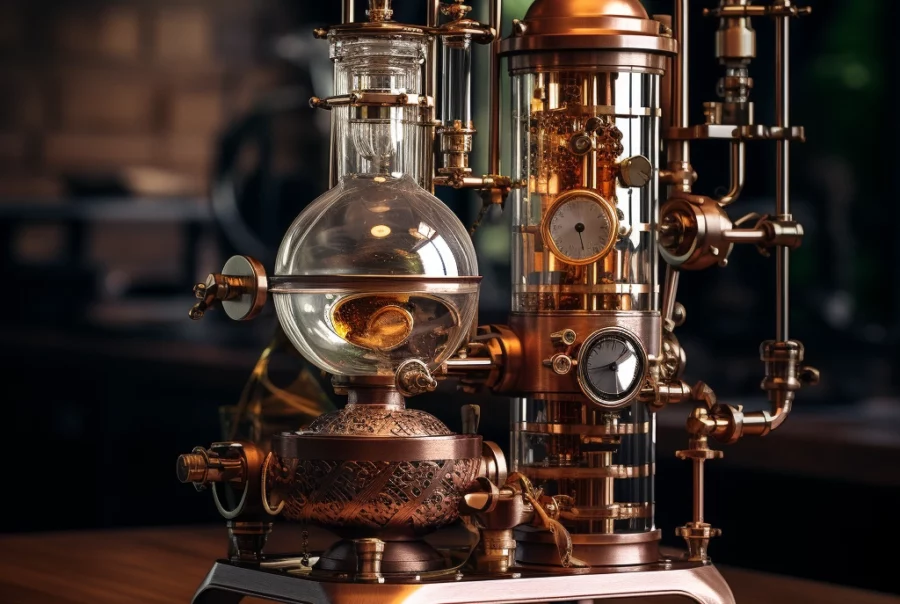
    The second process involves the distillation of these compounds to produce essential oils, which contain the “soul essence of the plant” with their unique archetypal qualities that can be used for various purposes, including physical, mental, emotional, and spiritual healing.

    Process #3 Transforming Vibrational Life Forces

    The third process involves using a series of selective essential oils with different profiles of vibrational energy for the transformation process for each individual. By simply breathing in their aromas, the vibrational energy of each element can help purify, heal, anchor, and raise an individual’s energy field.

    Process #4 Mental Transformation

    In the final step of the scent alchemy, the transformed vibrational life forces are combined with intention and visualization to manifest a desired outcome. This can be done through various techniques such as sound therapy, meditation, or visualization practices. By combining the power of intention with the vibrational energy of the essential oils, individuals can create a positive shift in their energetic field and ultimately manifest their desires into reality.

    Join Our Scent Alchemy Program

    Scent Alchemy is a transformative practice that can help individuals achieve greater well-being and manifest their desires. If you’re interested in exploring the power of scent alchemy, we invite you to join our Scent Alchemy Program. Our program is designed to help you identify the scents that resonate with you and facilitate the practice of scent alchemy in the comfort of your own home.

  • How Essential Oils Work Beyond the Physical Body

    How Essential Oils Work Beyond the Physical Body

    According to some alternative healing modalities, such as aromatherapy and energy medicine, essential oils can help adjust the energy field of the body. The energy field, also known as the aura, is believed to be a subtle field of energy that surrounds and permeates the physical body, and can be affected by factors such as stress, negative emotions, and environmental toxins.

    Essential oils are believed to have vibrational frequencies that can interact with the energy field of the body, and help to restore balance and harmony to the body’s energy system. Some essential oils are believed to have a grounding effect on the energy field, while others may be more stimulating or energizing. For example, frankincense essential oil is often used in energy medicine for its grounding and centering effects, and is believed to help balance the energy field and promote a sense of calm and inner peace. Peppermint essential oil is believed to have a stimulating and energizing effect on the energy field, and may be helpful for promoting mental clarity and focus.

    The concept of the energy field and its relationship to essential oils is still a matter of debate within the scientific community. However, many people believe in the therapeutic benefits of essential oils for energy medicine, and find them to be a helpful tool for supporting overall health and well-being. It’s important to use essential oils safely and to seek the advice of a qualified healthcare professional before using them for energy medicine purposes, especially if you have any underlying medical conditions or are taking medications.

  • How Essential Oils Affect Our Imagination And Visualization ?

    How Essential Oils Affect Our Imagination And Visualization ?

    Essential oils are believed to have a range of effects on the mind and body, including the ability to enhance imagination and visualization. Many people find that inhaling certain essential oils can help them relax, focus, and tap into their creative or imaginative abilities.

    One of the ways that essential oils may help enhance imagination and visualization is through their effects on the limbic system of the brain. The limbic system is responsible for regulating emotions, memories, and behavior, and is closely connected to the olfactory system, which is responsible for our sense of smell. When we inhale essential oils, they can stimulate the olfactory nerves and travel directly to the limbic system, where they can affect our emotional and cognitive states.

    Some essential oils are believed to have specific effects on imagination and visualization. For example, frankincense essential oil is often used in meditation practices and is believed to have a calming effect that can help enhance focus and visualization. Lavender essential oil is also known for its calming effects and is believed to help reduce anxiety and enhance relaxation, which can be helpful for accessing the imagination.

    Other essential oils that are commonly used for enhancing imagination and visualization include peppermint, lemon, and rosemary, all of which are believed to have energizing effects that can help boost creativity and mental clarity.

    It’s important to note that the effects of essential oils on imagination and visualization may vary from person to person, and that more research is needed to fully understand the relationship between essential oils and the mind.

  • What Is The Relationship Between Vibrational Energy And Psychic Ability?

    What Is The Relationship Between Vibrational Energy And Psychic Ability?

    There are some beliefs in certain spiritual and metaphysical traditions that suggest a relationship between vibrational energy and psychic ability. According to these beliefs, individuals who have a high level of vibrational energy may be more sensitive to psychic phenomena and may be able to access higher levels of consciousness or spiritual awareness.

    The idea is that everything in the universe, including human beings, is made up of energy that vibrates at different frequencies. Some people believe that individuals with a higher vibrational frequency are more in tune with the spiritual realm and may be more receptive to psychic experiences.

    While there is no scientific evidence to support these claims, some people believe that certain practices, such as meditation, prayer, or energy healing, can help raise an individual’s vibrational frequency and enhance their psychic abilities. Additionally, some people believe that working with certain crystals or essential oils can help balance and raise the vibrational frequency of the body and enhance psychic abilities.

  • How Essential Oils Stimulate Pineal And Pituitary Glands?

    How Essential Oils Stimulate Pineal And Pituitary Glands?

    Essential oils can stimulate the pineal and pituitary glands in several ways :

    { Inhalation }

    When we inhale essential oils, their aroma molecules enter the nasal passages and stimulate the olfactory nerves. These nerves are connected to the limbic system in the brain, which includes the pineal and pituitary glands. The limbic system is responsible for regulating emotions, memories, and the autonomic nervous system. By inhaling essential oils, we can stimulate the limbic system and promote relaxation, stress reduction, and other beneficial effects.

    { Transdermal Absorption }

    Essential oils can also be absorbed through the skin and into the bloodstream, where they can travel to the pineal and pituitary glands. When essential oils are applied topically, their molecules can penetrate the skin and enter the bloodstream, where they can influence the body and mind.

    { Vibrational Energy }

    Essential oils are believed to have a unique vibrational energy that can resonate with the body’s energy field. This energy can stimulate the pineal and pituitary glands and promote balance and harmony in the body and mind.

    By stimulating the pineal and pituitary glands in these ways, essential oils can promote relaxation, emotional balance, and spiritual growth. They can also help to regulate the body’s circadian rhythms, promote healthy sleep patterns, and support overall health and well-being.

  • How To Measure The Vibrational Energy Of Essential Oils ?

    How To Measure The Vibrational Energy Of Essential Oils ?

    We can measure the vibrational energy of essential oils using a technique called vibrational spectroscopy. This technique involves measuring the absorption or scattering of light by molecules in a sample as a function of frequency. The resulting spectrum provides information about the vibrational energy levels of the molecules in the sample.

    In particular, infrared spectroscopy is a widely used technique for analyzing the vibrational properties of molecules in essential oils. In this method, the sample is irradiated with infrared radiation, which excites the vibrational modes of the molecules. The resulting absorption spectrum can be used to identify the functional groups present in the sample, as well as to quantify the relative amounts of different components.

    Other vibrational spectroscopy techniques that can be used to analyze essential oils include Raman spectroscopy, terahertz spectroscopy, and far-infrared spectroscopy. Each of these methods has its own strengths and limitations, and the choice of technique depends on the specific properties of the sample and the information that is needed. Overall, vibrational spectroscopy provides a powerful tool for analyzing the vibrational energy of essential oils and other complex mixtures of organic molecules.

    Here are some examples of essential oils and their approximate frequency levels in hertz (Hz):

    Peppermint – 78-92 Hz

    Lavender – 118-122 Hz

    Frankincense – 147-155 Hz

    Lemon – 72-75 Hz

    Eucalyptus – 52-62 Hz

    Tea Tree – 48-60 Hz

    Rose – 320 Hz

    Orange – 38-48 Hz

    Ylang Ylang – 122-140 Hz

    Bergamot – 107 Hz

    Cedarwood – 52 Hz

    Chamomile – 105 Hz

    Cinnamon – 55 Hz

    Clove – 178 Hz

    Geranium – 52 Hz

    Ginger – 52 Hz

    Juniper – 98 Hz

    Myrrh – 105 Hz

    Patchouli – 58 Hz

    Sandalwood – 96 Hz

    Rosemary – 82-92 Hz

    Jasmine – 108-120 Hz

    Clary Sage – 140 Hz

    Thyme – 67-75 Hz

  • Why Do Essential Oils Help As A Tool For Expanding Consciousness?

    Why Do Essential Oils Help As A Tool For Expanding Consciousness?

    Essential oils are believed to have mind-altering properties due to their ability to interact with the limbic system, which is the part of the brain that is responsible for emotions, memories, and behavior. When essential oils are inhaled or applied to the skin, they can enter the bloodstream and travel to the brain, where they can stimulate the limbic system and produce a range of effects.

    One way in which essential oils can alter the mind is by inducing relaxation and reducing stress and anxiety. Oils like lavender, chamomile, and ylang-ylang are believed to have calming effects on the nervous system, and can promote feelings of relaxation and wellbeing.

    Essential oils can also be used to stimulate the mind and promote mental clarity and focus. Oils like peppermint, rosemary, and lemon are believed to have stimulating effects on the brain, and can help improve cognitive function and memory.

    Finally, essential oils can also have mood-boosting effects, and can be used to promote feelings of happiness and positivity. Oils like bergamot, jasmine, and orange are believed to have uplifting effects on the mood, and can be used to combat feelings of depression and low mood.

    Overall, essential oils can be a powerful tool for altering the mind and promoting a range of emotional and cognitive states. However, it’s important to note that individual responses to essential oils can vary.

  • How Essential Oils Assist In The Alchemical Processes of Transformation

    How Essential Oils Assist In The Alchemical Processes of Transformation

    Essential oils can be a powerful tool for supporting us through the different stages of the alchemical process of self-transformation. Here are some ways you can use essential oils to support you in each stage:

    1.Calcination

    During this stage, essential oils that have a grounding and calming effect can be helpful. These oils can help to calm the mind, ease anxiety, and promote a sense of stability during times of challenge.

    2.Dissolution

    Essential oils that have a purifying and cleansing effect can be beneficial during this stage. These oils can help to clear negative energy and promote mental clarity, making it easier to let go of old patterns and beliefs.

    3.Separation

    During this stage, essential oils that help to promote self-confidence and assertiveness can be helpful. These oils can help to boost self-esteem and encourage us to stand up for ourselves and our values.

    4.Conjunction

    Essential oils that have a harmonizing and balancing effect can be beneficial during this stage. These oils can help to promote feelings of peace and unity, making it easier to connect with others and build deeper relationships.

    5.Fermentation

    During this stage, essential oils that have a creative and stimulating effect can be helpful. These oils can help to stimulate the mind and promote a sense of curiosity and playfulness, making it easier to explore new ideas and ways of being.

    6.Distillation

    Essential oils that have a grounding and centering effect can be beneficial during this stage. These oils can help to promote inner peace and clarity, making it easier to focus on our goals and aspirations.

    7.Coagulation

    During this stage, essential oils that have a manifesting and empowering effect can be helpful. These oils can help to promote a sense of confidence and empowerment, making it easier to take practical steps towards achieving our dreams and goals.

    Overall, using essential oils can be a helpful way to support ourselves during the alchemical process of self-transformation. By choosing oils that are aligned with the different stages of the process, we can create a supportive and nurturing environment for our personal growth and development.

  • Why Can Essential Oils Transform Us?

    Why Can Essential Oils Transform Us?

    Essential oils can be seen as the spirit of the plant, each oil carrying the unique personality and characteristics of its source. Just as each person has their own individual personality and traits, each essential oil has its own distinct energy and healing properties. This is why choosing the suitable essential oils tailored for specific needs and conditions is important, as different oils can have different effects on the mind, body, and spirit.

    The distillation process of essential oils can be compared to the alchemy of the soul process, which is the process of spiritual transformation of us , where the plant’s physical form is transformed into a potent essence that can be used for healing and transformation. This process involves heating and cooling the plant material to extract its essential oil, separating it from the water and other plant components. This process is not only a physical transformation, but also a spiritual one, as the plant’s spirit is captured in the oil.

    By using essential oils in combination with other transformative practices like meditation, sound healing, and visual imagination, we can create a powerful synergy that supports us on our journey of self-discovery and transformation. This can help us to deepen our connection to ourselves, release emotional blockages, and access deeper levels of consciousness.

    At Odorami, we believe that everyone has the power to transform their lives and connect with their true essence. We invite you to explore our range of essential oils and transformative practices, and to join us on this journey of self-discovery and transformation.

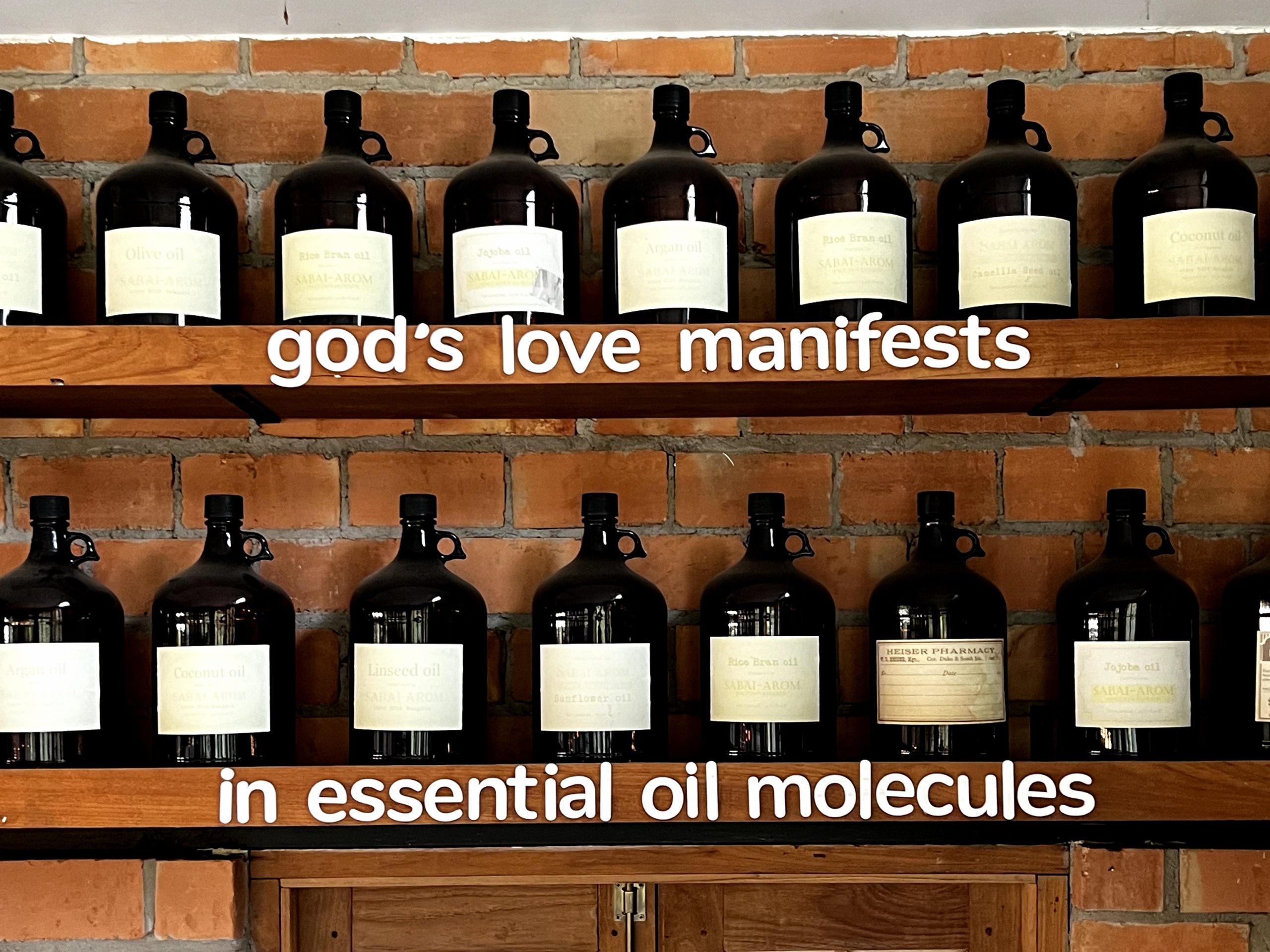
    “ God’s love manifests in essential oil’s molecules “

  • Do Plants Have Consciousness?

    Do Plants Have Consciousness?

    The concept of plant spirit or consciousness refers to the belief that plants, including those used for essential oils, have a kind of consciousness or spiritual essence that can be accessed through certain practices, such as shamanic journeying, meditation, or prayer.

    According to some indigenous and traditional healing systems, such as those found in South America and Africa, plants are believed to have their own spiritual intelligence and consciousness, and can offer guidance, wisdom, and healing to those who seek their help. These healing systems often use plant medicines, including essential oils, to help people connect with the plant spirit and receive their guidance and healing.

    In more modern practices, some people believe that essential oils can help connect us to the spirit or consciousness of the plant, and that this connection can offer therapeutic benefits, including emotional healing, spiritual growth, and personal transformation. Some people use essential oils in meditation or other spiritual practices to help them connect with the plant spirit and receive its guidance and healing.

    As of now, the concept of plant spirit or consciousness is still a matter of debate within the scientific community, and there is little empirical evidence to support these beliefs. However, many people find value in these practices and beliefs, and may use essential oils as a tool for spiritual growth and healing. As with any alternative or complementary therapy, it’s important to use essential oils safely and to seek the advice of a qualified healthcare professional before using them for spiritual purposes.

  • God’s Love Manifested In the Molecules of Essential Oils

    God’s Love Manifested In the Molecules of Essential Oils

    God’s Love Manifests In Essential Oils Molecules

    The statement “God’s love manifests in essential oil molecules” is a belief held by some people who practice aromatherapy and other forms of natural healing. The idea is that essential oils, which are derived from plants, are a gift from God or the universe and contain the energetic essence of the plant from which they are derived.

    According to this belief, plants are a manifestation of divine energy and contain spiritual properties that can promote healing and well-being. Essential oils are believed to be a concentrated form of this energy, containing the plant’s unique vibrational signature and the essence of God’s love and wisdom.

    When we use essential oils for healing and spiritual purposes, we are tapping into this divine energy and allowing it to work within us. By using essential oils with intention and reverence, we can open ourselves up to the healing power of God’s love and the wisdom of the natural world.

    It’s worth noting that this belief is not necessarily scientific, and not all practitioners of aromatherapy or natural healing hold this view. However, for those who do believe in the spiritual properties of essential oils, it can be a powerful and meaningful way to connect with the natural world and promote healing on a deep level.

  • The Rose: A Tale of Beauty and Symbolism Through the Ages

    The Rose: A Tale of Beauty and Symbolism Through the Ages

    The Rose: A Tale of Beauty and Symbolism Through the Ages

    Tracing the Fascinating History of the Rose, from Ancient Beginnings to Modern Significance

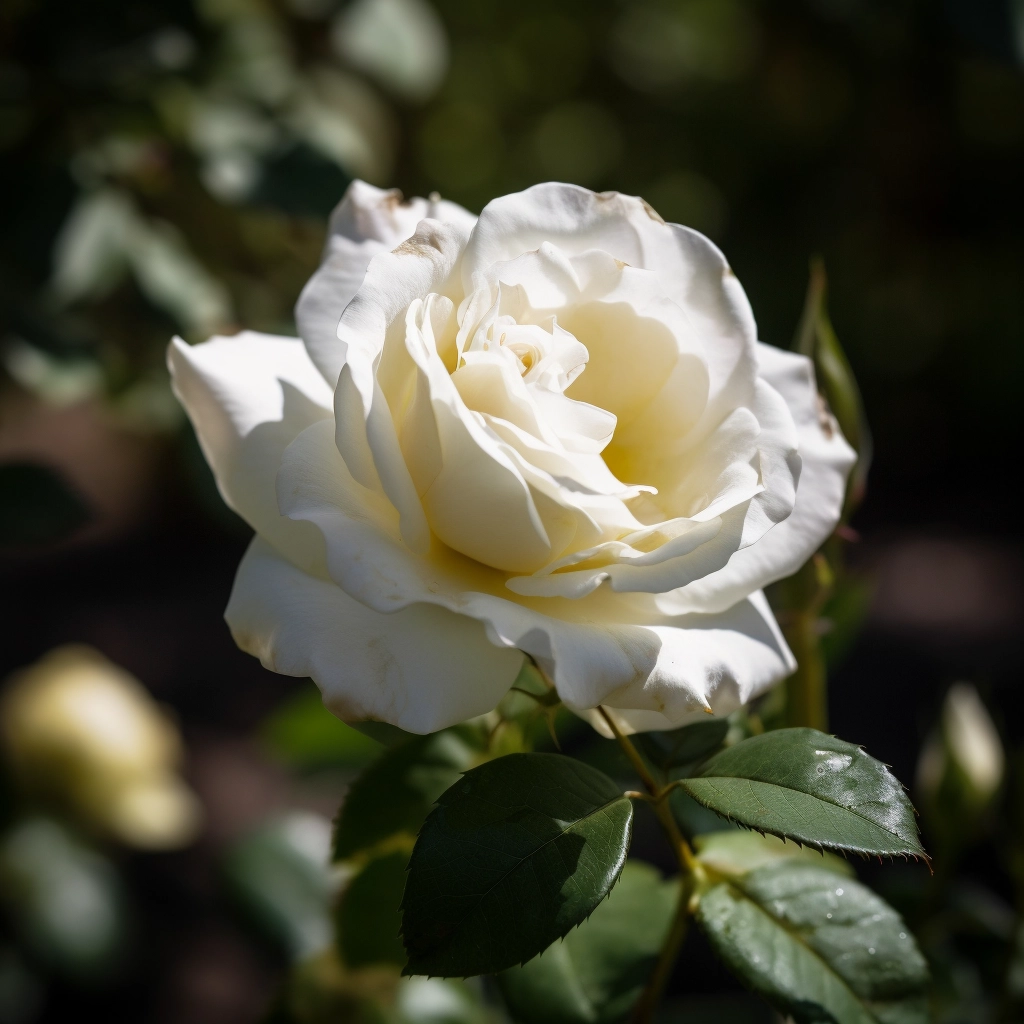
    The rose, often referred to as the “Queen of Flowers,” is a botanical marvel that has enchanted humanity for millennia. Its journey through history is a tale of beauty, symbolism, and enduring fascination, with roots that stretch back to ancient civilizations.

    Ancient Beginnings: The Wild Rose

    The history of the rose begins in the wild, where it originated in regions across Asia, Europe, and North America. Fossil evidence suggests that wild roses have existed for over 35 million years, long before human cultivation.

    Early Cultivation: Rose Gardens of Persia

    The rose’s association with human culture can be traced back to ancient Persia (modern-day Iran), where the cultivation of roses began over 2,500 years ago. Persian gardens, renowned for their beauty and design, often featured roses as a central element. The Persians created rosewater and rose oil, which were used for culinary, medicinal, and cosmetic purposes.

    Ancient Greece and Rome: The Symbol of Love and Beauty

    The Greeks and Romans embraced the rose with fervor. In Greek mythology, the rose was linked to the goddess Aphrodite (Venus in Roman mythology), the goddess of love and beauty. Legend has it that the rose was born from Aphrodite’s tears as they fell to the earth and mixed with her lover Adonis’s blood.

    Roses adorned the halls of feasts, were used in perfumes, and became symbols of love and desire. The Roman poet Virgil mentioned roses in his writings, immortalizing them as symbols of luxury and refinement.

    Medieval Europe: Roses and Royalty

    Roses continued to thrive as symbols of beauty and opulence during the medieval period. The Wars of the Roses in 15th-century England, for example, were named for the red and white roses used as emblems by the warring houses of Lancaster and York.

    The Renaissance: Artistic Flourishing

    During the Renaissance, roses flourished in both art and culture. Painters such as Botticelli and Raphael featured roses in their works, and the rose became a symbol of the Virgin Mary, representing purity and devotion.

    Modern Times: A Global Icon

    In the modern era, the rose has transcended cultures and borders to become a global symbol of love, passion, and elegance. Its fragrance and beauty continue to inspire poets, artists, and gardeners worldwide.

    Rose Varieties and Cultivation

    Today, there are thousands of rose varieties cultivated for their unique colors, fragrances, and forms. Hybrid tea roses, floribundas, and old garden roses are just a few examples. The cultivation and appreciation of roses have evolved into a dedicated horticultural pursuit, with rose gardens and exhibitions celebrated globally.

    Symbolism and Significance

    The rose remains a symbol of love and passion, making it a popular choice for romantic gestures and special occasions. Different colors convey distinct meanings; for instance, red symbolizes love, while white represents purity. Roses are also used as symbols of remembrance and honor.

    The Enduring Appeal of the Rose

    The rose’s history is a testament to its timeless beauty and enduring symbolism. It continues to be cherished for its aesthetic and aromatic qualities, and it holds a special place in cultures around the world. Whether adorning gardens, weddings, or gifts, the rose’s enchanting story is woven into the fabric of human history, a testament to the enduring allure of nature’s most iconic flower.

  • The Seven Alchemical Processes of The Soul

    The Seven Alchemical Processes of The Soul

    The Seven Stages of Alchemical Transformation are a spiritual metaphor that represent the journey of transformation from the base state of consciousness to a higher state of being. Each stage represents a different aspect of this transformation, and each stage builds upon the previous one. Here’s a brief overview of each stage:

    1.Calcination

    This stage represents the breaking down of the old self and the burning away of impurities. It’s a process of purification and transformation through intense heat and pressure. The stage represents a period of intense challenge, where our existing beliefs and habits are tested and often broken down. It’s like going through a difficult time in our lives that forces us to confront our weaknesses and grow stronger as a result.

    2. Dissolution

    In this stage, the purified self is dissolved into its constituent parts, representing the breaking down of the ego and the dissolution of old patterns and beliefs. During this stage, we begin to let go of the parts of ourselves that no longer serve us. This can involve shedding old patterns of behavior, releasing past traumas, or letting go of relationships that are no longer healthy for us.

    3.Separation

    The third stage represents the separation of the purified self from the old self, as well as the separation of the individual from the collective consciousness. During this stage, we start to develop a clearer sense of our own identity and separate ourselves from the expectations and opinions of others. We learn to trust our own instincts and make decisions that align with our values, even if they go against the expectations of those around us.

    4.Conjunction

    In this stage, the purified self is reunited with the collective consciousness, representing the integration of the individual into the larger whole. This stage involves integrating our newfound sense of self with the world around us. We begin to see ourselves as part of a larger whole and recognize our interconnectedness with others. This can involve developing deeper relationships with loved ones or finding ways to contribute to our communities.

    5.Fermentation

    This stage represents the transformation of the purified self into something new and different, through the process of fermentation. In this stage, we start to experiment with new ways of being and thinking. We allow ourselves to be curious and open to new experiences, even if they take us out of our comfort zone. This can lead to breakthroughs in our personal growth and the discovery of hidden talents and passions.

    6.Distillation

    In this stage, the new self is purified even further, through the process of distillation. This represents the refinement of the self and the elevation to a higher state of consciousness. During this stage, we start to refine our understanding of who we are and what we want out of life. We focus on the things that truly matter to us and let go of distractions and superficial desires. This can involve developing a clearer sense of purpose or refining our goals and aspirations.

    7.Coagulation

    The final stage represents the solidification of the new self, as well as the integration of the new self into the physical world. It’s a process of grounding and manifestation, as the new self becomes fully realized and integrated into daily life. This stage is about grounding our newfound sense of self in the physical world. We take practical steps to bring our vision into reality and make a tangible impact on the world around us. This can involve pursuing a career that aligns with our values, starting a business, or engaging in activism or social justice work.

    These stages are not necessarily linear, and individuals may go through them in different orders or experience some stages more intensely than others. However, they provide a useful framework for understanding the process of spiritual transformation and the journey towards a higher state of consciousness.

  • What Is The Alchemy Of The Soul?

    What Is The Alchemy Of The Soul?

    The alchemy of the soul is a metaphorical concept that refers to the process of spiritual transformation and inner growth. It draws its inspiration from the ancient practice of alchemy, which sought to transmute base metals into gold. In the same way, the alchemy of the soul seeks to transform the inner self, turning negative qualities into positive ones, and unlocking the full potential of the individual.

    The alchemy of the soul involves a process of self-discovery and inner work, where individuals delve into their subconscious to confront and transform their negative patterns, emotions, and beliefs. This process can be painful and challenging, but ultimately leads to greater self-awareness, inner peace, and spiritual growth.

    The alchemy of the soul is a deeply personal and individual journey, as each person has their own unique challenges and obstacles to overcome. However, the use of transformative tools like meditation, journaling, and essential oils can support and enhance this process, helping individuals to access deeper levels of consciousness and to release emotional blockages that may be holding them back.

    Ultimately, the alchemy of the soul is a lifelong journey, as we continue to evolve and grow throughout our lives. It requires courage, self-reflection, and a willingness to confront our innermost selves, but the rewards are immense, as we connect with our true essence and live a more fulfilling and authentic life.

  • What Is The Role Of The Pineal And Pituitary Glands?

    What Is The Role Of The Pineal And Pituitary Glands?

    The pineal gland, often referred to as the “third eye,” is located deep within the brain.

    It is responsible for producing melatonin, a hormone that regulates sleep-wake cycles. In spiritual traditions, the pineal gland is associated with intuition, inner vision, and spiritual awareness. It is believed to be a gateway to higher states of consciousness and spiritual experiences. Some refer to it as the seat of the soul or the connection point between the physical and spiritual realms.

    The pituitary gland, also known as the “master gland,” is located at the base of the brain. It produces and releases various hormones that regulate important bodily functions, including growth, metabolism, and reproduction.

    In spiritual contexts, the pituitary gland is considered to be associated with higher knowledge, wisdom, and spiritual insight. It is seen as a center of spiritual awakening and transformation.

    Both the pineal and pituitary glands are believed to be highly sensitive to energy and vibration. They are considered to be key centers in the body that facilitate the reception and integration of spiritual experiences and higher levels of consciousness. Activation and harmonization of these glands are often sought after in spiritual practices to enhance intuition, expand awareness, and deepen the spiritual connection.

    It is important to note that while there is much interest and speculation about the role of the pineal and pituitary glands in spirituality, scientific research is still ongoing to fully understand their functions and their connections to spiritual experiences.