Frankincense in Ancient Times: A Resin of Reverence and Ritual
Tracing the Rich History and Spiritual Significance of Frankincense in Ancient Civilizations
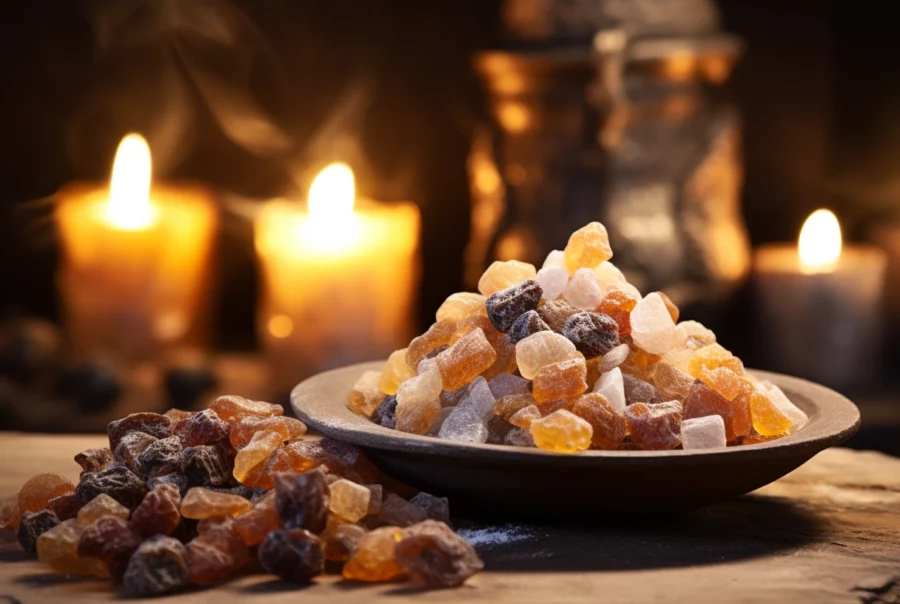
Frankincense, a fragrant resin obtained from the Boswellia tree, has been treasured for its aromatic, spiritual, and medicinal properties for thousands of years. Its use in ancient times transcended mere fragrance, playing a central role in the rituals, religions, and cultures of civilizations across the globe.
The Gift of Kings
Frankincense’s journey through history begins in the Arabian Peninsula and the Horn of Africa, where the Boswellia trees grow. Harvested by making incisions in the tree’s bark, the resin was collected, dried, and prepared for trade. It quickly became a valuable commodity and was often referred to as “liquid gold.”
One of the earliest recorded uses of Frankincense dates back to ancient Egypt, where it was considered a sacred substance and was burned as incense in temples during religious ceremonies. Its value was such that it was among the gifts presented to the infant Jesus by the Wise Men, symbolizing its significance as a gift fit for a king.
Aromatic Offerings in Rituals
Frankincense’s role extended beyond Egypt to various ancient cultures, including those of Mesopotamia, Persia, Greece, and Rome. In these societies, the fragrant resin was burnt as incense in temples, palaces, and homes during religious ceremonies and rituals. Its smoke was believed to carry prayers and offerings to the gods and deities.
The use of Frankincense was not limited to religious contexts; it was also employed in daily life. Its pleasant aroma was utilized to purify the air, mask unpleasant odors, and create a sense of tranquility. In some ancient cultures, it was even used as a perfume or an ingredient in cosmetics.
Medicine and Mysticism
In addition to its spiritual significance, Frankincense was highly regarded for its medicinal properties. Ancient herbalists and healers used it to treat a variety of ailments, from respiratory conditions to skin disorders. Its anti-inflammatory and soothing properties made it a valuable tool in ancient medicine.
Frankincense also played a role in mysticism and spirituality. In ancient India, it was used in Ayurvedic practices to enhance meditation and promote spiritual awakening. Similarly, in ancient Persia, it was associated with Zoroastrian rituals and was believed to aid in connecting with the divine.
A Timeless Symbolism
Across cultures and millennia, Frankincense symbolized purity, protection, and the divine presence. Its use in temples and sacred spaces was a testament to its ability to elevate the human spirit and facilitate communion with the divine.
Today, Frankincense continues to be valued for its rich history and its myriad of applications, from aromatherapy and perfumery to skincare and spiritual practices. Its enduring legacy as a symbol of reverence and ritual serves as a reminder of the profound impact fragrances can have on our spiritual and cultural heritage.
As we reflect on the use of Frankincense in ancient times, we are reminded of the enduring allure of this precious resin—a gift from the natural world that has enriched the human experience for millennia, transcending time and borders.