
Exploring the Ancient Tradition of Myrrhophores and Their Significance in History and Spirituality
In the tapestry of history, there exist ancient traditions and rituals that hold profound symbolism and spiritual significance. One such tradition is that of the Myrrhophore, a term derived from the Greek words “myrrh” (meaning fragrant resin) and “pherein” (meaning to carry). The Myrrhophores were revered figures in various cultures and religions, tasked with carrying and anointing sacred objects or individuals with myrrh—a resin known for its aromatic, healing, and symbolic properties.
Aromatic Resin with Symbolic Power
Myrrh, a resin obtained from the Commiphora myrrha tree, has been treasured for its rich fragrance and therapeutic properties for millennia. It played a prominent role in the ancient world, particularly in Egypt, Greece, and the Middle East, where it was used as incense, perfume, and medicine. Myrrh was also a symbol of purification, healing, and spiritual transformation.
The Role of the Myrrhophore
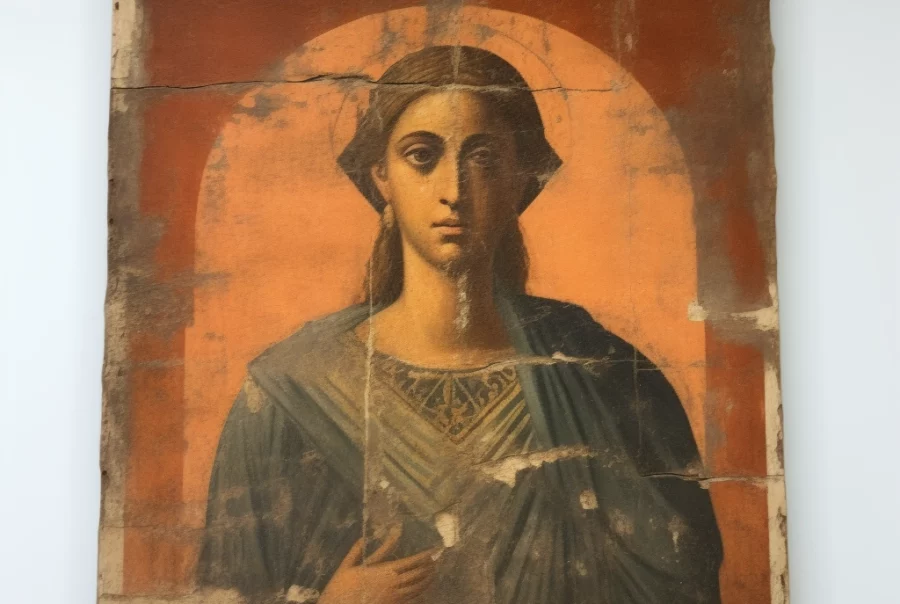
In ancient times, the Myrrhophores were individuals, often women, entrusted with the sacred duty of carrying myrrh and using it in various rituals and ceremonies. Their responsibilities included anointing the bodies of the deceased, particularly in the context of funerary practices. Myrrh was believed to have preservative properties, making it an essential element in the mummification process in ancient Egypt.
Myrrhophores in Religious Narratives
Myrrhophores are prominently featured in religious narratives, most notably in Christianity. According to the New Testament, Myrrhophores were the women who visited the tomb of Jesus Christ on the morning of the resurrection. They brought with them myrrh and other aromatic spices to anoint His body but were met with the news of His resurrection. This event holds profound significance in Christian theology, symbolizing the victory of life over death.
Symbolism of the Myrrhophore
The Myrrhophore archetype is rich in symbolism. It represents devotion, humility, and the willingness to serve a higher purpose. Myrrh, with its fragrant aroma, is associated with purification and transformation, making the act of anointing with myrrh a symbol of spiritual renewal and healing.
Legacy and Contemporary Reverence
The legacy of the Myrrhophore endures in various forms today. In some Christian traditions, the faithful continue the practice of anointing with myrrh during special ceremonies, such as the sacrament of chrismation. Additionally, myrrh remains an integral element in the rituals of other spiritual and healing traditions, including aromatherapy and holistic wellness practices.
Embracing the Myrrhophore Spirit
While the traditional role of the Myrrhophore may have evolved over time, the essence of devotion, service, and spiritual renewal it represents continues to inspire individuals on their personal journeys. Embracing the Myrrhophore spirit means recognizing the potential for transformation, healing, and spiritual growth that resides within each of us. It’s an invitation to be carriers of light, fragrance, and positive change in our own lives and the lives of others.
The Myrrhophore, with its ancient roots and timeless symbolism, reminds us that the act of carrying something sacred—whether it be myrrh, love, compassion, or wisdom—can lead to profound spiritual awakening and renewal. It invites us to explore the depths of our own spirituality and the transformative power of our actions.
As we reflect on the legacy of the Myrrhophore, may we find inspiration in their devotion and carry the fragrance of positive change and healing in our own unique ways, enriching our lives and those we touch along our journey.